Green Brick Co-CEO Says Peers Have 'Nothing Left To Give' On Incentives While His 28% Margin Has Room
Jim Brickman says a 28% gross margin lets the homebuilder raise buyer incentives if rates stay high, and he mocked peers' land swaps.


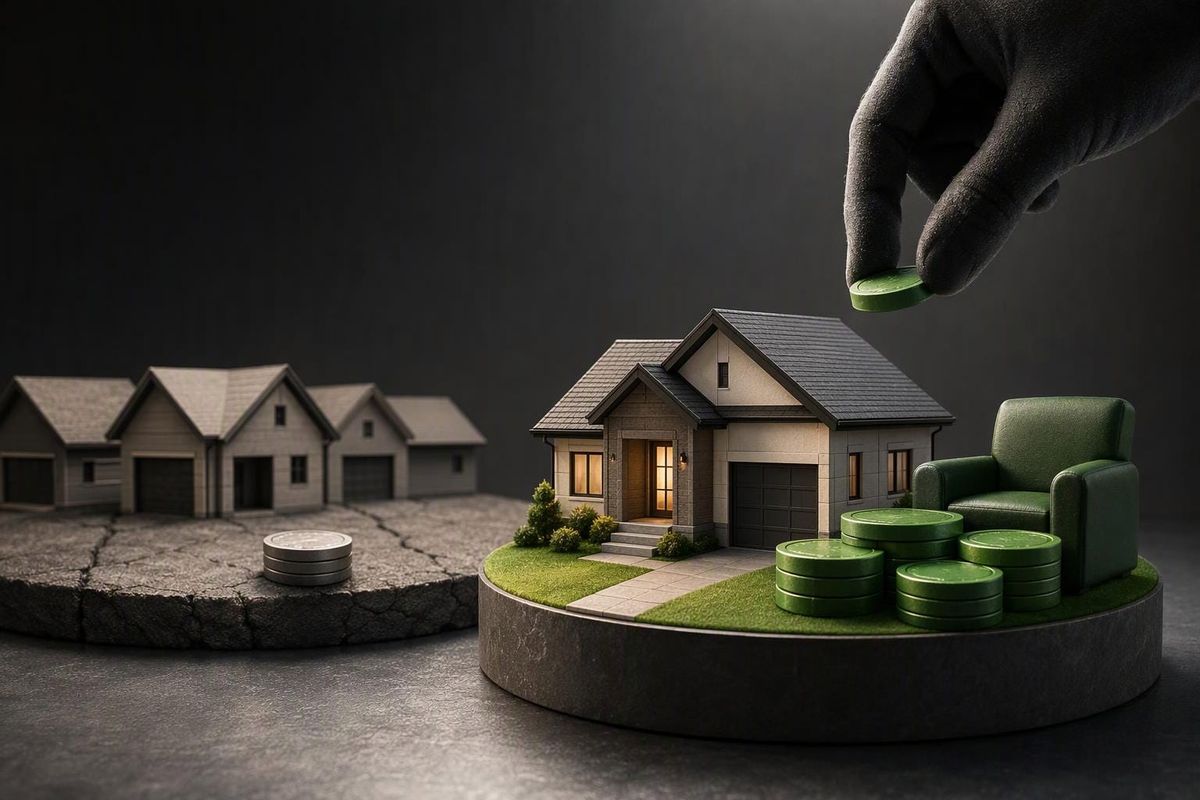
Green Brick Partners co-founder and co-CEO Jim Brickman told analysts on the company's third-quarter earnings call Thursday that rivals are running out of margin to spend on buyer incentives, while Green Brick, with a 28% home building gross margin, can spend more and stay profitable. "We're seeing peers have nothing left to give," he said.
A margin cushion against rivals
Green Brick, which builds and sells homes in Texas, Atlanta and on Florida's Treasure Coast, buys and develops its own land. Brickman said many peers now post a standard-accounting gross margin about equal to their selling and administrative costs. Green Brick's costs run 11% or 12% of revenue, and it carries very little debt.
"We don't want to give up any margin, but we have a lot to give if we need to and still remain very profitable," Brickman said. "We think we really have a huge competitive advantage if incentives increase."
Pressed by an analyst at B. Riley on the fourth-quarter outlook, he tied incentives to mortgage rates: "If you can tell me which way interest rates are going to go, I'll tell you which way our incentives are going to go." The company watches the 10-year bond closely, he said.
Co-CEO Jed Dolson said Green Brick is buying mortgage rates down to between 5% and 5.5%, depending on the day and community. When it adjusts incentive packages as rates move, he said, it sells more houses.
Incentives take a bite of margin
Incentives reached 9.9% of home closing revenue, up 180 basis points (1.8 percentage points) from the third quarter of 2025, CFO Jeff Cox said. Home building gross margin fell 410 basis points from a year earlier, and home closing revenue declined 9.8% to $437 million as average selling price dropped 12.1% to about $447,000. Net income was $59.2 million, down 24%, or $1.35 per diluted share.
A BTIG analyst suggested about half the margin decline came from incentives. Cox said the other half reflects the shift toward Trophy Signature Homes, whose buyers are more sensitive to rates, plus base-price changes. Trophy generated 60% of orders and deliveries. Deliveries rose 2.6% to 978 homes and orders rose 3.1% to 926.
Dolson said average selling price could move slightly lower in the fourth quarter, without giving a number.
Cautious on land, scornful of swaps
Total 2026 land investment is now planned at $780 million, down from the $850 million given on the last call. Brickman said underwriting now has to assume 10% elevated incentives, and good deals are hard to find while low-margin, weak-location parcels are plentiful.
"We're seeing peers just rearrange deck chairs in the Titanic, trading these assets amongst each other," he said. "We're not playing that game."
He also reported the first signs of labor constraints from immigration enforcement, particularly in Austin, citing masonry, electrical, drywall and framing. Dolson called the $500,000 to $800,000 segment, including Atlanta and North Dallas, very soft.
The company's market value was $2.7 billion in Thursday trading.
Cox said September was tough, but sales rose sequentially from July through September, and Brickman said orders climbed each month of the quarter even as mortgage rates rose.
Sources
- Green Brick Partners, Inc. Reports Third Quarter 2026 Results – Company Announcement - FT.com — Financial Times
- Green Brick Partners: Q3 Earnings Snapshot – WTOP News — wtop.com