Viking Expects Lower 2027 Yield Growth As $265 Million In Vouchers Weigh On River Pricing
Management defended the guest credits and kept European river expansion intact, even as cancellations increased on disrupted itineraries.


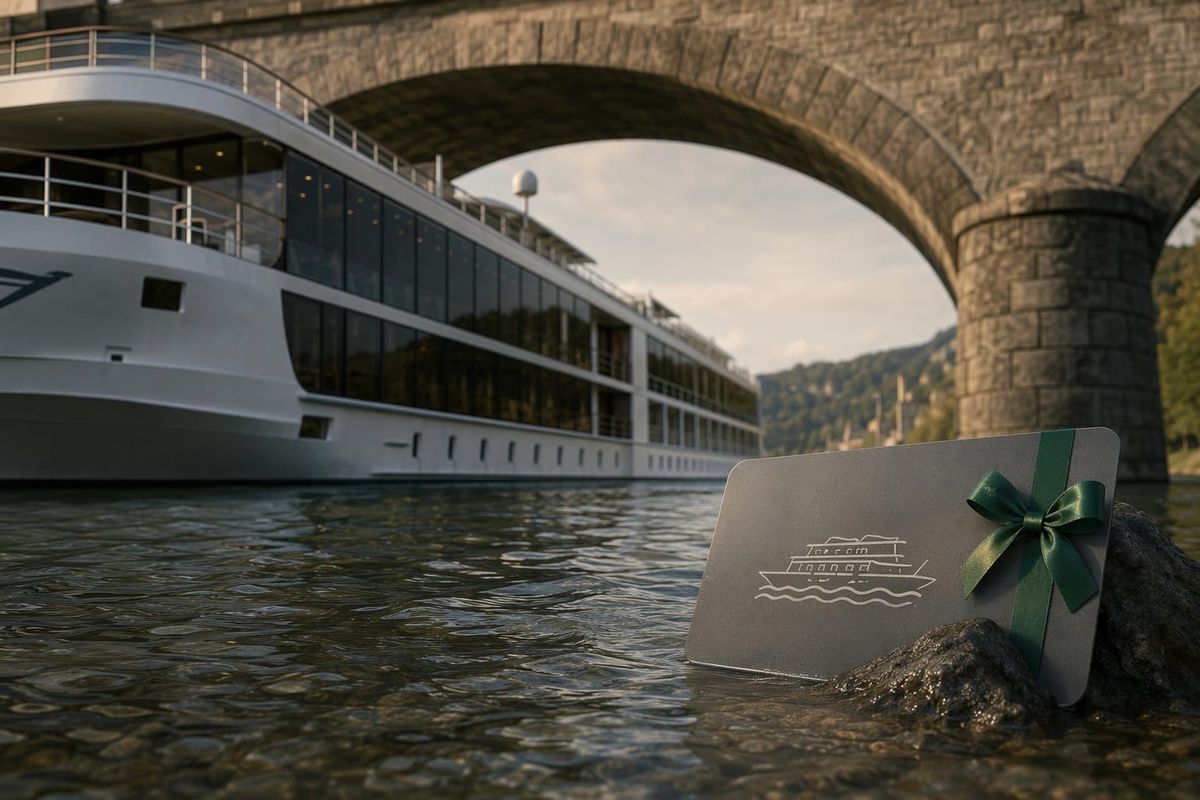
Viking, which operates river, ocean and expedition cruises, expects to lower its 2027 goal for adjusted margin per passenger cruise day because guest vouchers will reduce river pricing. Chief Financial Officer Linh Banh said on Tuesday's earnings call that the goal would probably move to the "low to mid single digit range"; third-quarter revenue rose 9.2% to $2.2 billion, according to the company's results release.
The voucher bill reaches next season
Viking issued approximately $265 million in goodwill credits by November 8 to guests who traveled despite disrupted itineraries. President and Chief Executive Officer Leah Talactac defended that decision on the call, saying it "was the right move."
Half of those vouchers had already been redeemed. Of the redeemed credits, approximately 60% went toward trips in the 2027 season. Guests can apply them to a new booking made within a year of issuance, choosing any itinerary available for sale.
The reporting treatment matters: Viking deducts redeemed goodwill credits from river advance bookings for the relevant season even when a guest chooses an ocean voyage or another Viking product. The discount therefore weighs on reported river pricing beyond the trips that originally suffered disruptions.
A Barclays analyst asked whether the lower yield-growth goal also implied weaker pricing power. Banh pointed to outstanding credits and the remaining inventory, which includes less-busy travel periods; the first half of 2027 was already well sold.
Cancellation credits work differently. Viking issued approximately $165 million of those vouchers to guests who did not travel, covering what they had paid. The cancellation reduces revenue in the season of the original trip; revenue from a replacement voyage is recognized when that voyage occurs. More than 60% of those guests had rebooked, with most choosing a 2027 river itinerary.
More cancellations, despite operating every cruise
Low water levels reduced third-quarter revenue by approximately $100 million. Viking estimated the same reduction in adjusted gross margin, including lost margin from cancellations and extra direct costs of working around the disruptions.
Approximately 70% of river capacity cruise days were affected in the third quarter. About 12% of guests booked on affected itineraries canceled. By mid-November, approximately 70% of fourth-quarter river capacity cruise days had been affected, with cancellations among those guests reaching about 20%.
Viking operated every scheduled cruise, using ship swaps, revised routes, alternative transportation and additional accommodation. Talactac said simultaneous, prolonged problems across the Rhine, Main and Danube made this season atypical. She said rainfall had improved conditions and management anticipated further improvement into December.
The financial split was stark. Third-quarter occupancy fell to 91.3% from 96.0% a year earlier, while capacity grew 10.2%. Adjusted earnings before interest, taxes, depreciation and amortization fell 4.3% to $673.5 million. Adjusted earnings per share declined to $1.11 from $1.20.
VIK shares had fallen more than 8% over the past three months. Mizuho nevertheless upgraded Viking Monday to outperform from underperform, while expecting environmental conditions to weigh on results in 2027 and 2028.
Ocean bookings provide the counterweight
Viking's core products had 68% of 2027 capacity booked by November 8, against planned capacity growth of 15%. Advance bookings totaled $5.8 billion, up 17% from the comparable point for the 2026 season; bookings per passenger cruise day rose 8% to $929. Those figures include redeemed vouchers at their net booking value.
Ocean was further along: 77% of its 2027 capacity was booked, despite projected capacity growth of 18%. Advance bookings reached approximately $3.2 billion, with average bookings per passenger cruise day of $873, versus $785 at the comparable point for 2026.
River had sold 56% of its 2027 capacity, which is expected to grow approximately 13%. Its advance bookings totaled $2.2 billion, at $957 per passenger cruise day versus $919 for the prior season's comparable reading. Banh said the disruptions had also interfered with the usual booking pace for affected European routes.
Viking primarily serves affluent, English-speaking travelers aged 55 and older, selling cruises directly and through travel agents. Pre- and post-trip stays and other add-ons contribute revenue. Its capacity is now evenly divided between river and ocean, and management expects ocean to account for approximately 70% of new-build capacity through 2036.
European expansion stays on course
Executive Chairman Tor Hagen rejected a Stifel analyst's suggestion that this season could change Viking's European river expansion plans. On the earnings call, Hagen said, "we stick to our guns."
Viking secured options for 10 additional European river vessels. The first two have an exercise date in June 2027 and would be delivered in 2030. The company also secured options for four more ocean ships and exercised options for four river Longships scheduled for delivery in 2029.
Expansion extends beyond Europe, with plans for two additional vessels in Egypt, two in India and one serving Vietnam and Cambodia. Those launches are scheduled across 2029 and 2030.
Viking ended September with $4.1 billion in cash and a $1 billion undrawn credit facility. It spent $350 million on share repurchases during the third quarter under a $1 billion authorization. Talactac said investment in the business remains the priority, with buybacks evaluated against other uses of capital.
Management kept its longer-term goal of roughly 5% annual yield growth. For 2027, the outlook must absorb credits already issued to bring disrupted guests back aboard.
Sources
- Viking Holdings results release (Form 6-K, EX-99.1) — SEC EDGAR
- Viking Holdings gets double upgrade from Mizuho — CNBC
- Viking Holdings Stock Gets a Double Upgrade. Why the Worst Could Be Over. — Yahoo Finance
- Viking Reports Third Quarter 2026 Financial Results — businesswire.com