Azzad Seeks Cisco Human-Rights Review As AI Orders Reach $9.3 Billion
Cisco opposed the proposal, saying its existing independent assessments already examine sensitive customers and potential product misuse.


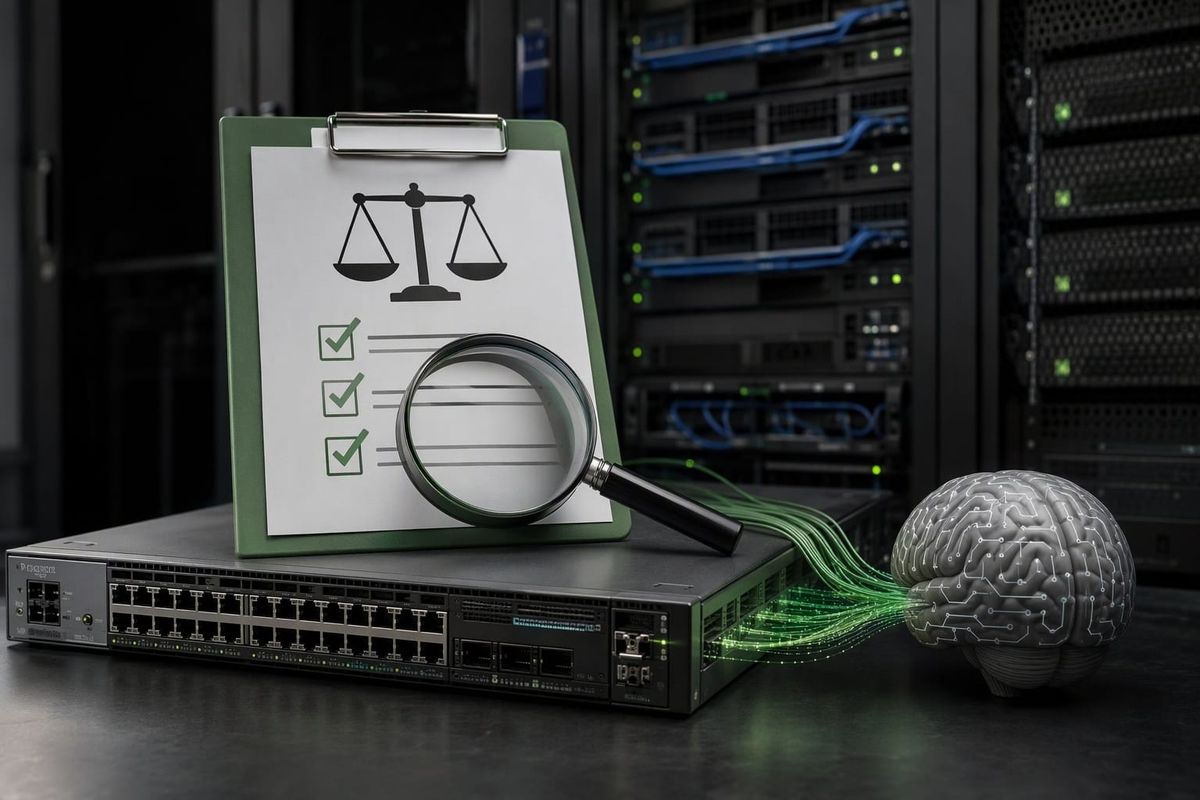
Azzad Asset Management urged shareholders Tuesday to back an independent human-rights review of Cisco Systems, which sells networking hardware, software and digital infrastructure. The investor's SEC solicitation challenges safeguards for sensitive customers as Cisco's fiscal 2026 AI infrastructure orders reached $9.3 billion.
AI growth meets customer scrutiny
Cisco delivered approximately $4 billion of AI infrastructure in fiscal 2026, according to company figures cited by Azzad. Cisco expects that figure to reach $7.5 billion in fiscal 2027.
Azzad argues that Cisco's controls have fallen behind this expansion, particularly where government, military and intelligence customers deploy AI using its infrastructure. The campaign distinguishes the company's framework for AI it develops and uses from the risks posed by customers' deployments.
Shareholders will vote at Cisco's 2026 annual meeting on a proposal asking its board to commission and supervise an outside assessment. It would examine serious, foreseeable harms involving customers, ultimate users and business relationships, including surveillance, military operations, intelligence and immigration enforcement. The work would be conducted at reasonable cost and exclude proprietary information and material protected by legal privilege.
Cisco opposed the proposal. Its response said the company already commissions independent assessments that examine geopolitical conditions, sensitive sectors and capabilities that could enable surveillance or other product misuse.
The dispute reaches across Cisco's business. Its offerings span networking, security, collaboration and observability—the tools customers use to monitor their systems—and include technical support and professional services. Its customers range from businesses and public institutions to governments, service providers and hyperscalers.
Israeli defense sales anchor the campaign
Azzad cited leaked-document reporting by Drop Site News in May 2026 that put Cisco's Israeli Ministry of Defense revenue at $98 million in the first half of 2024, up from $52 million in the first half of 2023. The solicitation estimates those amounts represented approximately 0.36% and 0.19% of Cisco's consolidated revenue in the corresponding fiscal half-years, while cautioning that the reporting periods may not align exactly.
The campaign also cited The Guardian's November reporting on Cisco's response to outages affecting an Israeli military intelligence customer's networks. According to that account, outages in late 2024 prompted a threat to cancel business; Cisco mobilized senior employees and internal teams and sent staff to meet the intelligence unit on site during the Gaza war.
Azzad wants scrutiny of whether Cisco applied its safeguards to the relationship and kept the board informed. The solicitation places those reported interventions against the International Court of Justice's provisional measures under the Genocide Convention and a UN Commission of Inquiry's September 2025 conclusion that Israel committed genocide in Gaza.
The reported AI opportunities extend beyond network repairs. The campaign cited internal documents identifying AI computing and military AI integration as growth areas, along with Israeli government deals pursued in 2026 and marked as AI business. It also cited reporting that executives at Splunk, Cisco's data-analytics subsidiary, pitched participation in Project Nimbus, Israel's government cloud contract with Google and Amazon.
Partner sales complicate enforcement
Azzad's central operational concern is Cisco's reliance on partners to sell products and services. The investor argues that this can make it harder to identify ultimate customers, monitor deployments and enforce restrictions when serious risks arise.
The solicitation points to Bynet, Cisco's Israeli sales partner, citing reporting that it handles recurring business with military units, intelligence agencies and weapons manufacturers. Reported customers include the Israeli Air Force and Navy, the military computing unit MAMRAM, the Prime Minister's Office, the Israel Prison Service, Elbit Systems, Rafael and Israel Aerospace Industries.
Azzad questions the rigor of continuing partner audits and Cisco's contractual ability to suspend support or end relationships. Cisco's policies expect partners to follow aligned human-rights standards, and its due-diligence processes include checks when partners join its sales network.
The campaign offers Microsoft as an enforcement precedent: in September 2025, Microsoft disabled specified cloud-storage and AI services for an Israeli defense unit after finding evidence supporting reports that Azure stored mass-surveillance data. Azzad argues that retaining contractual control is essential to making safeguards effective.
The proposal also reaches immigration-enforcement customers. The solicitation cites a 2026 Customs and Border Protection support-services contract valued at approximately $22 million, with potential value of nearly $66 million. It separately identifies roughly $1.7 million of Cisco Catalyst wireless access points purchased for Immigration and Customs Enforcement's network.
Legal wins leave risk questions
Cisco's China litigation supplies another example. The Supreme Court ended a lawsuit in June 2026 alleging that Cisco helped customize the Golden Shield surveillance system to identify and target Falun Gong practitioners. Cisco denies the allegations; the court resolved the case on statutory grounds without deciding the underlying conduct.
Azzad also cites reported use of Cisco technology by Mytel, a telecommunications company partly owned by Burma's military. Burma Campaign UK added Cisco to its list of companies accused of military links or harmful activities in July 2026. Cisco said its sales comply with U.S. export controls and that heightened-risk transactions undergo human-rights review.
Mytel was added to the Commerce Department's export-restriction list in January 2025. That designation requires a government license for covered transfers, with applications generally presumed to be denied. The solicitation does not establish a Cisco violation.
Employee disputes add another contested issue. The Equal Employment Opportunity Commission issued a reasonable-cause determination in June 2026 concerning a hostile work environment for Middle Eastern and Muslim employees and people associated with them. Cisco disputes the non-binding determination and says it investigated and took appropriate action; it is not a final court finding of liability.
Azzad warns that inadequate safeguards could bring legal expenses, restrictions on transactions, costs to change or discontinue relationships, and lost customers. Settlement-related rules add jurisdiction-specific exposure: Spain restricted imports of settlement goods, the UK announced measures targeting settlement activity, and Norway proposed trade restrictions. The campaign argues that their possible application to Cisco's Digital Hub partnerships depends on the activities and jurisdictions involved.
The pending vote asks shareholders whether Cisco's existing reviews are sufficient—or whether the board should commission an independent assessment focused on the customers and uses at the center of this dispute.