Trump Orders Talks, Not Tariffs, On Imported Robots And Industrial Machinery
The proclamation sets a 180-day deadline for a progress update and keeps tariffs, quotas and fees available as later remedies.


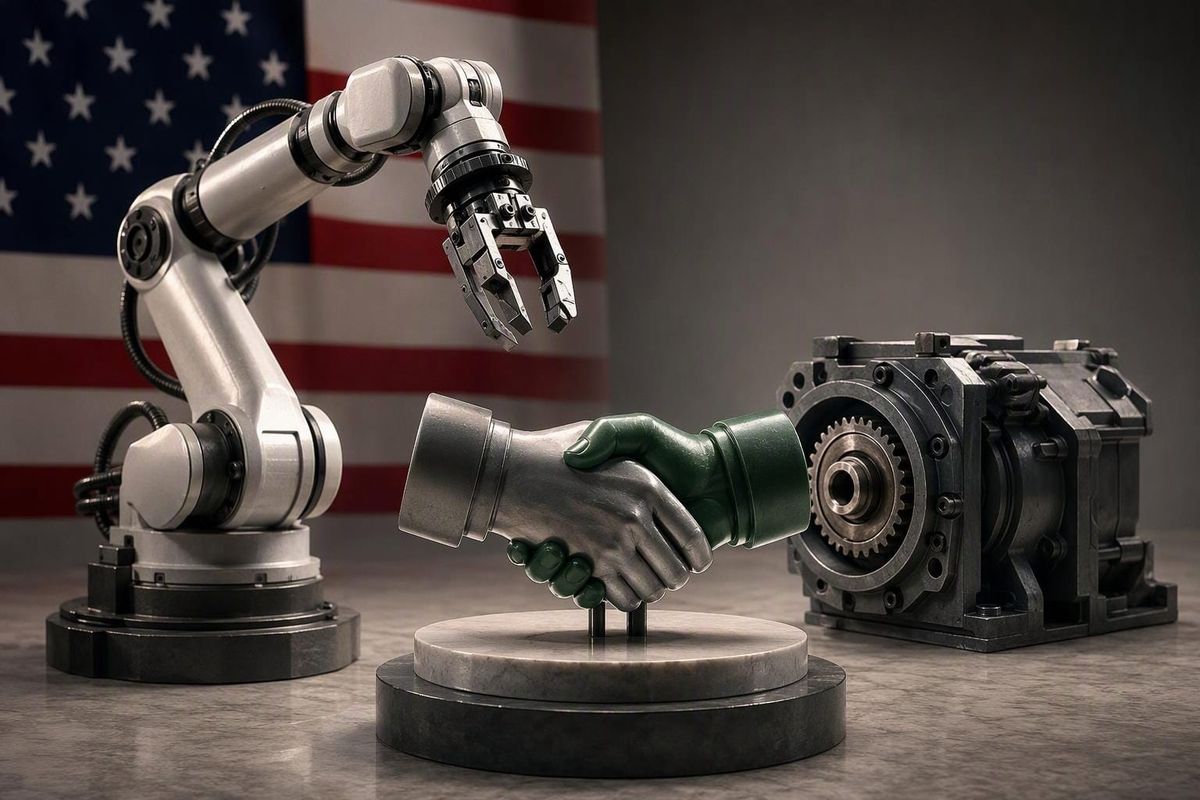
President Donald Trump agreed with a Commerce Department finding that imported robotics and industrial machinery threaten national security, then chose negotiations over duties in a proclamation dated Wednesday. No tariff takes effect under the order, which leaves tariffs, quotas and fees as options if the talks fail.
Negotiate first, with a 180-day check-in
The proclamation directs the Commerce Secretary and the U.S. Trade Representative to start negotiations, or continue any already under way, with whichever trading partners they deem appropriate. The goal is agreements that address the threatened harm to national security from imported robotics, industrial machinery and their parts and components.
The two officials must update the President on progress within 180 days of the proclamation's date. They are also to report from time to time on the status or outcome of the talks.
The Commerce Secretary must keep monitoring imports and tell the President about any circumstances that, in his opinion, might call for further action under section 232 of the Trade Expansion Act of 1962, the law covering imports that threaten national security. The President also relied on section 604 of the Trade Act of 1974, which lets him write import-duty changes into the U.S. tariff schedule.
Tariffs left on the table
The text says that, depending on how the talks go, Trump "may consider alternative remedies in the future." Those include imposing or modifying tariffs, duties, quotas and fees, or setting up a program to encourage new U.S. investment in producing robotics, industrial machinery and their components.
The proclamation describes section 232 as allowing a negotiated plan first, with other action to follow. That action could come if no agreement is reached within 180 days, if an agreement is not being carried out, or if it proves ineffective.
What Commerce found
The Commerce Secretary reported that the United States relies on foreign imports for most types of robotics and industrial machinery and their components. The proclamation says the value of those imports has grown over the last decade and is projected to keep growing.
Domestic industry, he found, does not make enough to meet national security needs, despite a recent surge in U.S. factory investment. The proclamation says the country still produces less than it consumes and underuses its manufacturing capacity in the field.
The proclamation also says that equipment from certain foreign entities carries security and safety risks, because it is built into manufacturing and defense systems and routinely processes and stores sensitive data.
It describes the machines as essential to defense production of aircraft, tanks, ships, weapons and munitions. It says they feed all 16 U.S. critical infrastructure sectors, and it cites about $7.1 trillion in manufactured-goods shipments in 2024 and about $86 billion of equipment produced that year.
The 180-day update is the next checkpoint, and it is the point after which the proclamation's own terms allow the President to turn to tariffs, quotas or an investment-incentive program.
Sources
- ADJUSTING IMPORTS OF ROBOTICS, INDUSTRIAL MACHINERY, AND THEIR PARTS AND COMPONENTS INTO THE UNITED STATES — The White House
- Microbix Reviews New U.S. Tariffs on Canada — Yahoo Finance
- US, Canada Weigh Limited Tariff Deal Before Midterm Elections as Mark Carney Sees ‘Slight Intensification — benzinga.com
- New Antidumping and Countervailing Duty Orders Pave Way for Relief from Chinese Manipulation for American Trailer Manufacturing — prnewswire.com
- https://link.cfr.org/public/39302581 — link.cfr.org
- Buchanan Announces New Trade Remedy Investigation into Imports of Unfairly Priced Shopping Carts from China — prnewswire.com