Eton Pays $10.0 Million Upfront For U.S. Rights To Aquestive's Libervant, With Up To $47.5 Million More In Milestones
The license adds a mid-teens royalty and a 20-year supply deal, and Eton anticipates an April 2027 launch, subject to final FDA approval.


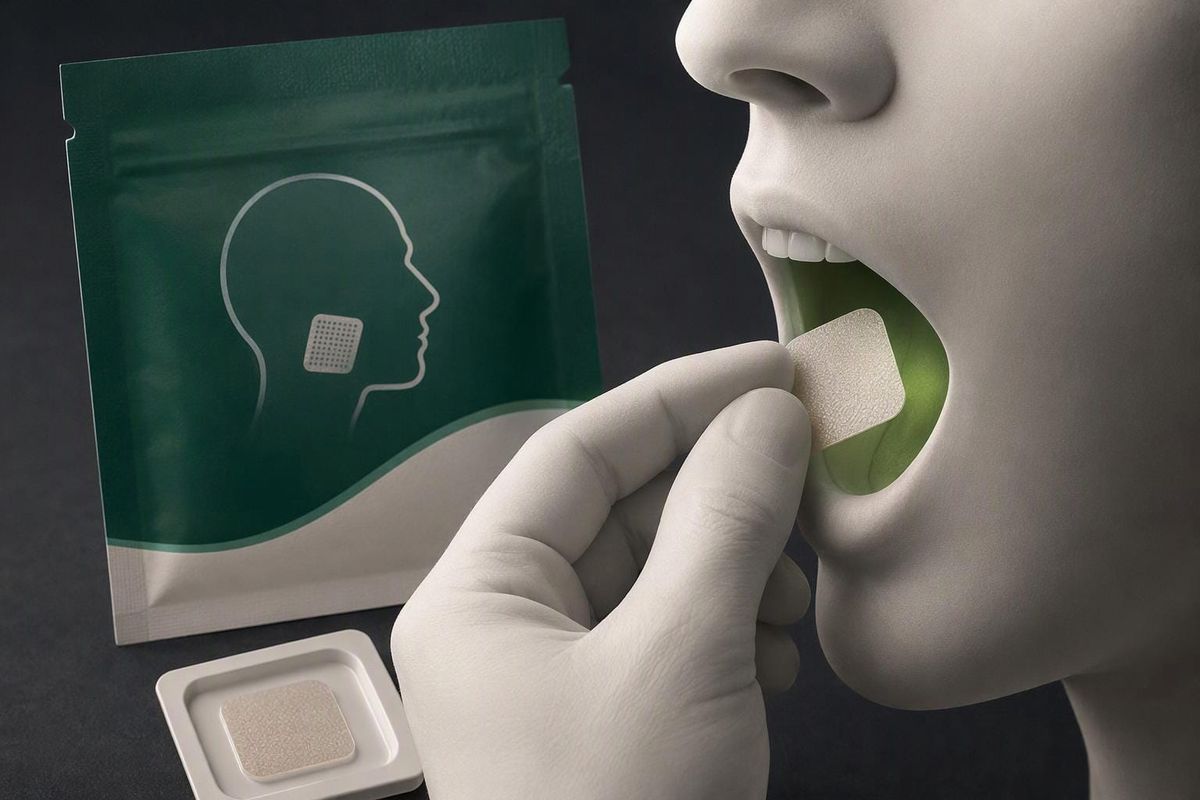
Eton Pharmaceuticals paid Aquestive Therapeutics an upfront license fee of $10.0 million for exclusive U.S. rights to Libervant, a diazepam film placed inside the cheek to treat seizure clusters, according to an 8-K filed Wednesday. The agreement was signed October 13 and covers the United States and its territories.
What the 8-K says
Eton owes Aquestive regulatory and commercial milestones of up to $47.5 million in total. They break down three ways:
- $10.0 million at the first U.S. commercial sale, cut to $5.0 million if full FDA approval for ages 2–5 has not been received.
- $2.5 million if the FDA approves the product for ages 6–11.
- Up to $35 million tied to annual U.S. net sales levels.
Eton will also pay royalties on annual net sales at a mid-teens percentage rate.
A separate supply agreement makes Aquestive the exclusive manufacturer, subject to specified exceptions. Its initial term is 20 years, then it renews automatically for three-year periods unless either side gives notice at least two years before a term ends.
Regulatory status and launch timing
Libervant holds only tentative FDA approval, for patients ages 2 to 5 and 12 and older, according to the press release. It is expected to become eligible for full approval at 12 and above after the scheduled expiration of Valtoco's orphan drug exclusivity on January 10, 2027.
A Type 9 application to add ages 6 to 11 is under FDA review with a target action date of March 29, 2027. Eton anticipates the product will be available in April 2027, subject to final FDA approval.
The release says Libervant has orphan drug designation and patent protection extending into 2038.
What it changes for Eton
Eton CEO Sean Brynjelsen said Libervant "marks an important expansion of our portfolio into neurology." The company plans a dedicated neurology team on its existing commercial infrastructure, drawing on its experience relaunching Incrélex, Galzin and Hemangeol.
The companies put the U.S. seizure rescue market at more than $450 million a year. They cite third-party research in which 71% of 101 surveyed patients preferred film to 13% for nasal spray, assuming equal efficacy. The release says that reflects stated preferences, not comparative clinical outcomes.
The next dates the release names are the January 10, 2027 exclusivity expiry and the March 29, 2027 FDA target date for ages 6 to 11.