Cerebras' Late OpenAI Capacity Faces Cancellation Risk — Hardware Orders Support A Higher Forecast
Either side can cancel affected capacity after 90 days of delays, but Cerebras said no cancellations had occurred.


Cerebras Systems, which makes AI processors, supercomputers and software, faces potential cancellations of delayed OpenAI computing capacity, executives said on Thursday's earnings call. The company's contracted revenue backlog stood at $26.1 billion at September 30, mostly tied to OpenAI, with estimated delay credits already deducted.
Cancellation Rights Cover Delayed Portions
Andrew Feldman, Cerebras' co-founder, chief executive officer and president, said initial OpenAI deliveries were “running behind schedule on the initial tranches.” He blamed unfinished sites, electricity infrastructure and buildings, saying the company had the equipment and materials it needed.
Bob Komin, chief financial officer, said OpenAI's commitment covers 750 megawatts under a take-or-pay contract, which requires payment for committed capacity. Delays entitle OpenAI to credits against future purchases. Once a delay reaches 90 days, either company can cancel the affected portion.
Komin estimated that less than 5% of committed megawatts could become eligible for cancellation this year. Asked by a Needham analyst whether any delayed capacity had been canceled, Feldman replied: “That is correct,” confirming none had been canceled.
Komin expects the credits to have minimal effects on revenue and gross margin because they are relatively small and would be spread over revenue recognized in coming years. Cerebras will update those estimates quarterly. He said the estimates assume none of the delays will be excused because of dependencies outside the company's control.
OpenAI can also switch to hardware purchases under the agreement, Feldman said, though his understanding is that its own data centers are behind schedule too. If either side cancels delayed capacity, Komin believes other customers would absorb it.
Cloud Stalls While Hardware Ships
Komin expects fourth-quarter cloud revenue to be roughly flat against the third quarter. Growth is “limited entirely by our data center capacity,” he said, rather than pricing or demand. Capacity additions should begin in December, too late to materially help the quarter.
New hardware orders support a higher fourth-quarter core revenue forecast of approximately $310 million–$330 million. The company's results release defines core figures as adjusted measures excluding customer-warrant amortization, stock-based pay, data center pass-through revenue and costs, and certain other items.
Third-quarter reported revenue rose 55% from a year earlier to $210.8 million; core revenue rose 70% to $230.9 million. Core cloud and services revenue reached $144.9 million, up 272% from a year earlier.
Hardware shipments, including orders for Oracle, are scheduled to continue through at least the first half of 2027. Feldman said a newly signed Microsoft cloud agreement should begin generating revenue in the first half of 2027, when Cerebras plans to share further details. Oracle's Cerebras-powered cloud service is expected to launch in summer 2027.
Building The Cloud Takes Time
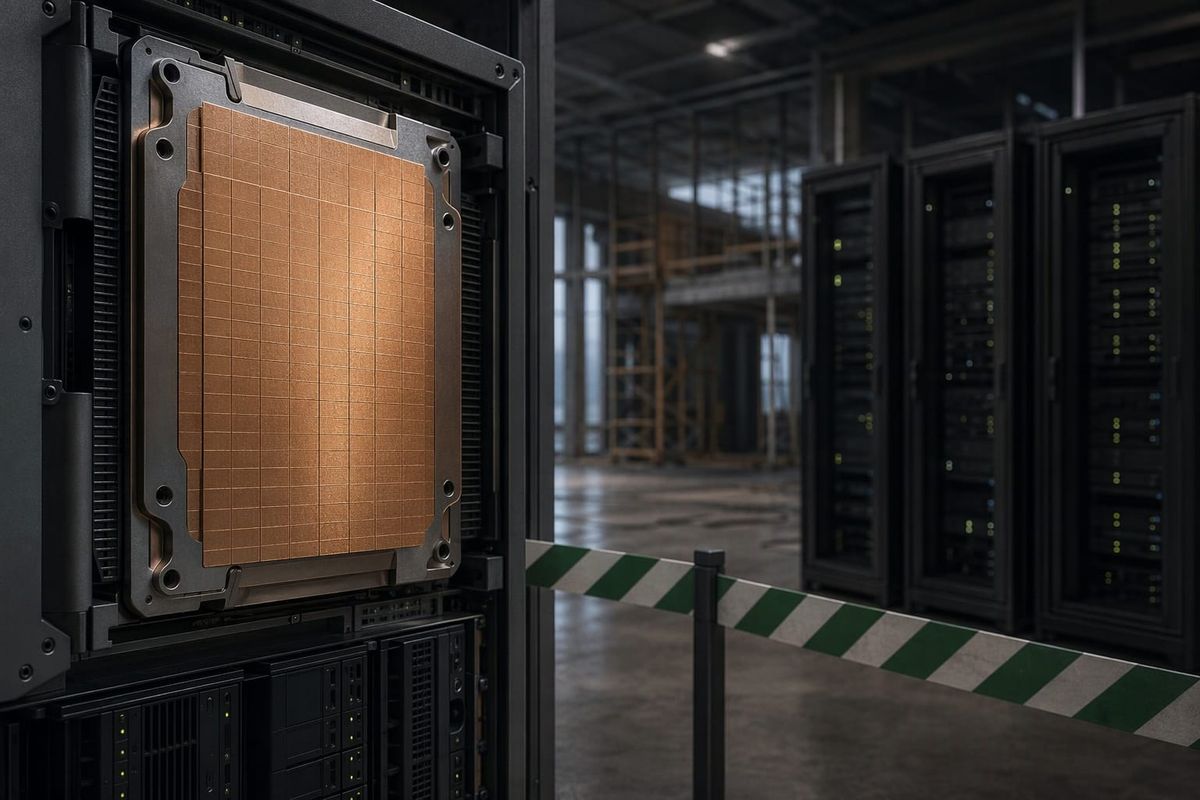
Cerebras sells systems for customers' data centers and charges for cloud computing usage and dedicated capacity. Its wafer-sized processor powers those systems; customers can access computing through Cerebras Cloud or partner platforms.
Komin said Cerebras began expanding its cloud in early 2025 for customers that wanted computing without owning data centers. Bringing substantial new capacity online can take 15 to 18 months. Renting its own equipment back from a customer provided an interim supply and helped secure business, but depressed margins. Komin expects that arrangement to continue through at least mid-2027.
Cerebras has approximately 700 gross megawatts of data center capacity contracted for delivery by the end of 2027. Much of the expansion begins around the middle of next year.
The build-out comes with CBRS shares down about 47% since the company's Nasdaq debut in May, as of Thursday's original report.
Komin projects OpenAI deliveries will return to schedule in the second half of 2027, which he expects to reduce the risk of further delay credits.
Sources
- Cerebras Systems results release (Form 8-K, EX-99.1) — SEC EDGAR
- Cerebras Systems (CBRS) Q3 earnings report 2026 — CNBC
- Cerebras Stock: AI Chipmaker Tops Q3 Views | Investor's Business Daily — investors.com
- 美股|Cerebras上季核心收入報捷 調高全年預測 — Yahoo Finance
- Cerebras Systems Delivers Record Revenue in Third Quarter — globenewswire.com