Taysha Has $422.8 Million To Fund Rett Therapy Development Into 2028, It Expects
Commercial-scale manufacturing validation is complete, with interim trial results and FDA pathway feedback expected in early 2027.


Taysha Gene Therapies, which is testing a one-time gene treatment for Rett syndrome, reported $422.8 million in cash Thursday and expects it to fund planned operations and capital needs into the second half of 2028. Its SEC results filing accompanied an update confirming completion of commercial-scale manufacturing validation for the experimental treatment, TSHA-102.
Manufacturing Clears A Development Step
The manufacturing batches passed the required specifications and tests comparing commercial product with material used in clinical trials. Taysha said the results support potential inclusion of earlier REVEAL trial data in its planned FDA approval application.
Across 33 treated patients, no severe treatment-related serious adverse events or toxicities that limited dosing were observed through the November cutoff. The group includes 12 patients in the early- and mid-stage REVEAL study, 17 in the pivotal trial intended to support approval and four in ASPIRE. All have passed the acute safety-monitoring period following treatment.
Sean P. Nolan, Taysha's chairman and chief executive, said “our focus now turns to delivering a robust dataset” for the planned application.
Taysha plans to discuss manufacturing data with the FDA in the fourth quarter of 2026 and expects feedback in the first quarter of 2027. It expects six-month interim results from the pivotal trial and FDA feedback on the application pathway in the first half of 2027.
A Treatment Aimed At Rett's Cause
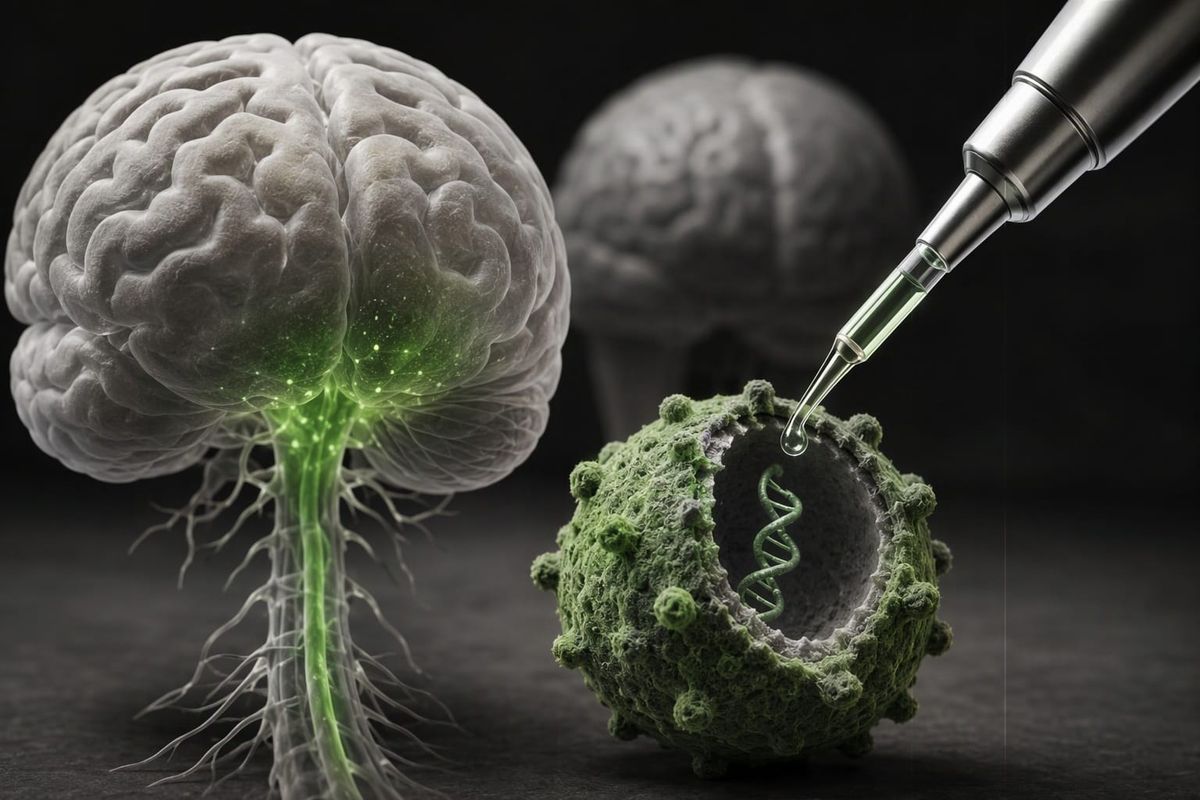
TSHA-102 is designed to deliver a working MECP2 gene to cells in the brain and spinal cord. Rett syndrome can impair communication, hand use, movement and breathing; approved treatments do not address its genetic cause, Taysha explained in its earnings release.
The company develops gene therapies for severe single-gene diseases affecting the brain and spinal cord. Its adolescent, adult and pediatric REVEAL studies operate in the United States and Canada, testing TSHA-102 in female patients.
Taysha also expects to select an additional gene therapy candidate for a central nervous system disorder and begin preclinical work in the first half of 2027.
Trial And Launch Spending Rise
Research spending reached $28.8 million in the third quarter, versus $25.7 million a year earlier. Taysha attributed the increase mainly to clinical expenses across its Rett trials; additional research staff also increased pay costs, including non-cash stock compensation.
Administrative spending rose to $13.1 million from $8.3 million. The company attributed that increase mainly to compensation, consulting and professional fees, including preparations for a commercial launch.
The quarterly net loss widened to $39.1 million, or $0.10 per share, from $32.7 million, or $0.09 per share, a year earlier. Taysha recorded no revenue in either quarter.
Cash and cash equivalents stood at $422.8 million on September 30, compared with $319.8 million at the end of 2025. The funding outlook covers planned spending into the second half of 2028, beyond the clinical and regulatory milestones management expects in 2027.
Manufacturing validation supports the planned application; the next clinical milestone is the pivotal trial's six-month interim analysis, expected in the first half of 2027.