State Street Holds 5% Of Dexcom — It Says The Stake Is Passive
The reported holding covered 18,917,265 shares, with shared voting authority over a smaller portion.


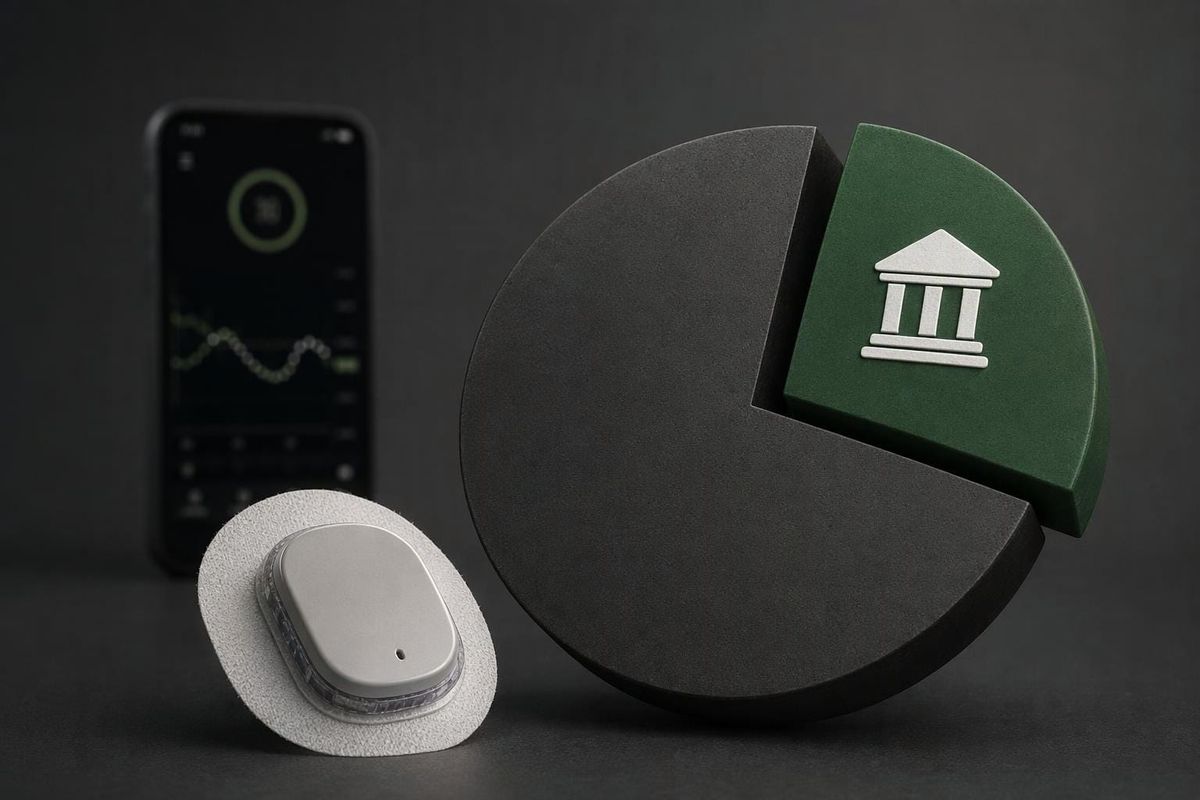
State Street reported a 5% stake in Dexcom, which makes wearable glucose-monitoring sensors, and certified that it was not seeking to influence the company's control. Its passive ownership disclosure filed Tuesday covered 18,917,265 common shares as of September 30, 2026.
Ownership And Voting Power Differ
State Street's reported ownership and its ability to vote the stock cover different amounts. It had shared voting authority over 12,153,366 shares and shared authority to sell or otherwise dispose of 18,896,988 shares. It had no sole authority to vote or dispose of shares.
State Street certified that the securities were bought and held as part of its ordinary business, rather than to change or influence Dexcom's control. The certification also covered participation in transactions aimed at influencing control, with an exception for activities solely connected to a nomination under the SEC rule identified in the disclosure.
Wearable Sensors, With A Penang Base
Dexcom's sensors transmit glucose measurements to a receiver or compatible mobile device. People managing diabetes and metabolic health use the systems, as do the caregivers and clinicians supporting them.
Its products include G7, G7 15 Day and Dexcom ONE+, which is sold in several European countries. Stelo is an over-the-counter biosensor for adults with prediabetes or Type 2 diabetes who do not use insulin. Dexcom also connects its sensors with devices made by insulin pump and pen manufacturers.
Most revenue has come from the United States. Dexcom sells through distributors and a direct team serving health care professionals in North America and selected international markets, and mainly manufactures in Mesa, Arizona, and Penang, Malaysia.
Dexcom was among recent investors in Penang's medical-device industry. The cluster developed partly from the state's electrical and electronics sector, whose manufacturers could transfer production skills to medical devices.
Ching Choon Siong, executive director of the Association of Malaysian Medical Industries, identified competitive costs, infrastructure and workforce skills as reasons investors such as Dexcom were attracted to Penang.
The 5% ownership figure describes State Street's position at September 30; Tuesday was the date it filed the disclosure.
Sources
- SCHEDULE 13G — STATE STREET CORPORATION re: DEXCOM INC (DXCM) — SEC EDGAR
- Special Report: Medical devices industry is Penang’s hidden gem — The Edge Malaysia