Somnigroup's Dreams IT Disruption Costs About $50 Million In Sales As Earnings Outlook Falls
Manufacturing delays and longer deliveries hurt orders at Dreams, while higher transportation costs also weighed on the outlook.


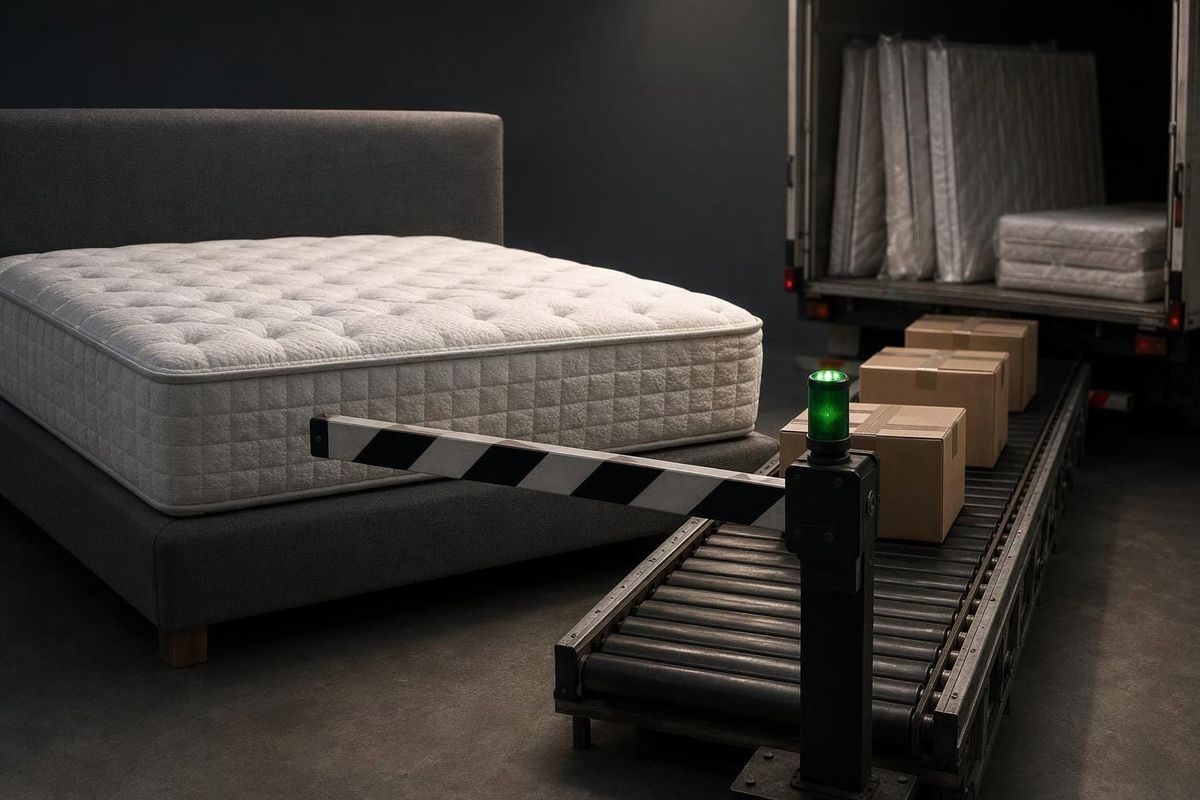
Somnigroup International, which sells mattresses and bedding and runs Mattress Firm and Dreams stores, estimated that a failed IT transition at Dreams cost about $50 million in sales versus a year earlier. On Monday's earnings call, Scott Thompson, Somnigroup's chairman, president and chief executive officer, took responsibility for the disruption as the company lowered its full-year adjusted earnings outlook.
Delays Turned Into Lost Orders
Dreams' reported sales fell approximately 35% during the third quarter. Manufacturing delays and longer waits for delivery hurt the share of shoppers completing purchases in stores and online, leaving dissatisfied customers and lost orders.
The trouble began with a July 1 switch to a replacement system covering factories, warehouses and retail operations. Dreams retired technology that was 25 years old; some work previously handled on spreadsheets moved onto the new platform. Employees had to learn different processes while the system needed further adjustments.
Thompson said modernization was necessary for growth and security, but "the near-term execution fell short of our plan." He estimated the disruption also cost about $25 million in adjusted earnings before interest, taxes, depreciation and amortization versus the prior year.
Somnigroup redirected resources toward the recovery. Thompson visited the UK with the company's chief information officer a few weeks before the call and reported progress. Describing the problem as exceptional among the company's technology transitions, he said: "This one was an outlier."
Dreams And Freight Lower The Forecast
Somnigroup now expects full-year adjusted earnings of $2.85–$2.95 per share. Dreams' second-half adjusted earnings before interest, taxes, depreciation and amortization missed expectations by about $25 million, Bhaskar Rao told a Raymond James analyst.
Rao put transportation inflation across the businesses at about $15 million versus previous expectations, principally tied to fuel costs. The industry was also somewhat softer than management had anticipated, but he identified Dreams and transportation as the main reasons for the reduced outlook.
The third quarter produced $2.4 billion in sales and adjusted earnings of $1.04 per share, up 10% from a year earlier. About $20 million in tariff refunds arrived sooner than expected, effectively offsetting Dreams' unexpected performance in the quarter, Rao said. Transportation costs were about $5 million above the company's quarterly expectations.
Dreams is also managing advertising to control customer inflow during the disruption. Management's annual outlook assumes the global bedding industry declines about 5% in the second half.
A Bigger Business, An Internal Setback
Somnigroup's bedding brands include Tempur-Pedic, Sealy and Stearns & Foster. Its stores, websites and call centers generated direct sales accounting for 63.5% of net sales in 2025; it also supplies third-party retailers, hospitality businesses and healthcare customers.
The company completed its purchase of Leggett & Platt on August 26, according to an amended SEC filing. Third-quarter results include that business only from closing onward. Thompson said the combined company has 160 manufacturing facilities across 35 countries.
SGI shares had lost about 28% since the beginning of the year. The Dreams disruption adds a company-controlled operating problem to the weak demand backdrop, with management's recovery timetable extending into 2027.
Thompson expects Dreams to return to historical operating levels in the early first quarter of 2027, subject to market conditions.
Sources
- Somnigroup (NYSE:SGI) misses Q3 2026 sales expectations, stock drops — Yahoo Finance
- Somnigroup International (SGI) Lags Q3 Earnings and Revenue Estimates — Yahoo Finance
- Somnigroup International: Q3 Earnings Snapshot | wusa9.com — Associated Press
- SOMNIGROUP INTERNATIONAL INC. Form 8-K/A filed November 5, 2026 — sec.gov
- Somnigroup to Post Q3 Earnings: What's in Store for the Stock? — Yahoo Finance