Siemens Mobility Orders 24 Ballard Fuel Cell Modules For 12 Romanian Hydrogen Trains
The 4.8 MW order covers Romania's first hydrogen train fleet, with deliveries set for 2027 and 2028 and passenger service expected in 2029.


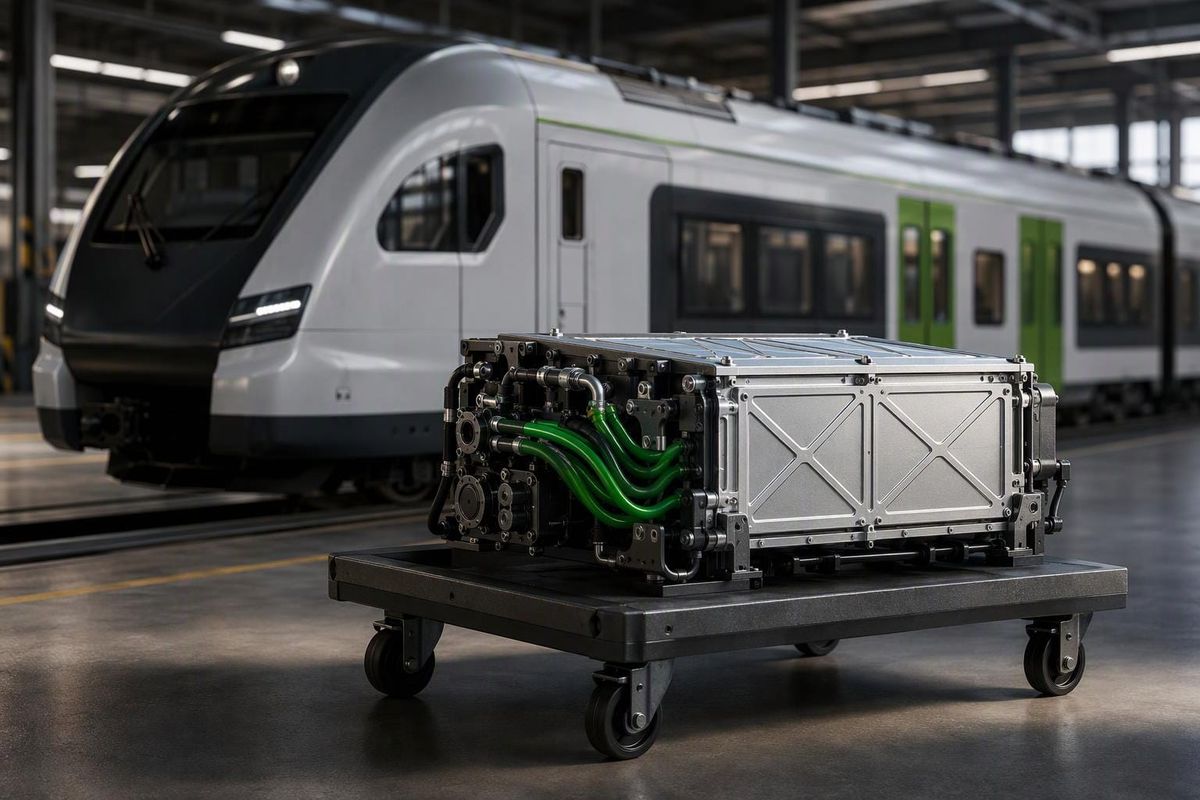
Siemens Mobility ordered 24 FCrail 200 kW fuel cell modules, totaling 4.8 MW, from Ballard Power Systems, the company said in a release dated Tuesday. The modules are meant to power 12 Mireo Plus H hydrogen trains for Romania's Railway Reform Authority.
What the release says
Ballard published the announcement on Tuesday and furnished it to the U.S. Securities and Exchange Commission on Form 6-K, filed Wednesday. The order is for FCrail modules, each rated at 200 kW, and Siemens Mobility GmbH is the buyer.
Ballard calls it the largest commercial deployment of the Mireo Plus H platform to date. It is also the first outside Germany and the first fleet of Mireo trains in Eastern Europe.
Fuel cell engine deliveries are scheduled for 2027 and 2028. The fleet is expected to enter passenger service in 2029.
What it changes
The order builds on a multi-year supply commitment between Ballard and Siemens Mobility set in 2022, according to the release. Ballard said earlier Mireo Plus H deployments in Germany used its fuel cell technology.
Thomas Graetz, Head of Regional and Commuter Rail at Siemens Mobility, said the 12 trains "will make up Romania's first hydrogen-powered train fleet." Ballard CEO Marty Neese called it the largest deployment of the Mireo Plus H fleet.
The release describes the trains as a 1:1 replacement for diesel engines on non-electrified rail lines. The release does not state a dollar value for the order.
BLDP closed at $2.06 on Tuesday, unchanged from the prior session (market data), with a market cap of $723 million.
What to watch
The next markers are the 2027 and 2028 engine deliveries, which precede the expected 2029 start of passenger service. Ballard's release carries the usual forward-looking caveats, including reliance on third parties and achieving and sustaining profitability.
Ballard's engine deliveries in 2027 and 2028 are the first checkpoints for a fleet that is not expected to carry passengers until 2029.
Sources
- Form 6-K — 24 FCrail ™ fuel cell modules will power 12 Mireo Plus H trains, Romania's first hydrogen fleet and the platform's largest deployment to date. — SEC EDGAR
- Ballard Secures 4.8MW Order from Siemens Mobility to Power Hydrogen Trains in Romania — prnewswire.com
- Ballard Secures 4.8MW Order from Siemens Mobility to Power Hydrogen Trains in Romania – Company Announcement - FT.com — Financial Times