Sanofi Plans Late-Stage Deals To Offset Dupixent's Patent Expiry, With A Strategy Update Due Before Year-End
Management wants late-stage and commercial drugs, and the CFO would not put a number on deal capacity.


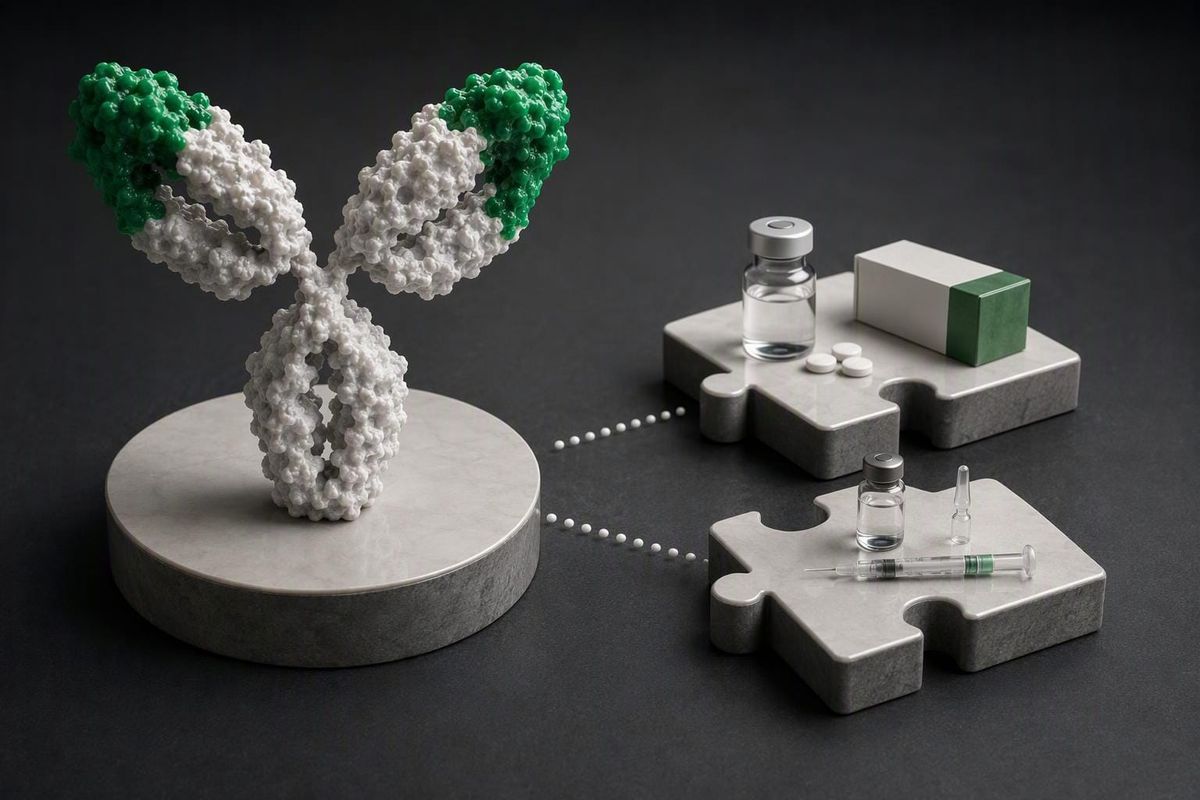
Sanofi, the biopharma company behind the Dupixent antibody, will turn to business development and acquisitions focused on late-stage and commercial medicines to secure growth beyond Dupixent's loss of exclusivity, CEO Belen said on the company's third-quarter earnings call Friday. CFO François said on the same call that he could not give an amount for deal capacity.
Why Sanofi is buying later-stage
Belen said the reset of research and development will take time to bear fruit. Moving toward later-stage commercial assets lets Sanofi reduce scientific and clinical risk and make better use of its commercial strength, she said.
Asked how this differs from earlier M&A talk, she said any deal, "regardless of the size," has to meet Sanofi's strategic, scientific and financial criteria. Shares were up about 3.4% to $44.58 in Friday trading, as of 11:03 a.m. ET.
Sanofi raised its 2026 outlook on the quarter: sales growth is now guided to a low-teens percentage, which François said usually means 13% to 15%. Business EPS is guided to a mid-teens rise, usually 15% to 17%. Third-quarter sales rose 14.3% to 14.4 billion euros.
The CFO's limits on deal size
"I'm not in a position to give you an amount," François said. A deal could be one asset or several, he said, and the call was less about value than strategic intent and scientific relevance.
A conservative financial policy applies, he said. Sanofi wants to keep a strong credit rating, which limits what it can do, and it is committed to its dividend, which it has raised for 31 consecutive years.
Belen said Sanofi will also source innovation globally, including from China, and keep making smaller bolt-on purchases for its early pipeline. Dupixent is the antibody Sanofi develops with Regeneron, and the company recently expanded that alliance to gain four immunology compounds. Belen called it a first step in replenishing the early pipeline.
Mid-December roadmap
An analyst from Bank of America asked whether to expect M&A by year-end. Belen said the strategy update will set out which disease areas Sanofi will and will not play in, plus a capital allocation framework, whether or not a deal is announced beforehand. She later pointed to mid-December.
The three focus areas are immunology, rare diseases and vaccines. The majority of capital, for R&D and external innovation, will go to them, Belen said. Other areas could be out-licensed, partnered or closed, depending on their contribution.
Belen said group revenue should be only moderately affected when Dupixent loses exclusivity, with the priority being earnings and cash flow. François said sales next year will fall by about 1.3 billion euros from the Chez Plafarm contribution and the sale of the Brazilian generics business Medley.
Belen said the mid-December update will show which disease areas Sanofi will back and which it will not.
Sources
- Sanofi Q3 earnings blow past expectations on Dupixent strength; hikes FY guidance — Yahoo Finance
- Sanofi Lifts Expectations for 2026 Sales Growth, Looks to M&A — Reuters
- Press Release: Q3 2026: double-digit growth in sales and business EPS FY 2026: guidance upgraded – Company Announcement - FT.com — Financial Times
- Sanofi lifts profit outlook on strong Dupixent sales (SNY:NASDAQ) | Seeking Alpha — seekingalpha.com
- Sanofi mulls ‘moonshot’ M&A targets to survive Dupixent cliff — fiercebiotech.com