Sanofi Pays Regeneron $1.0 Billion Upfront For Four Antibodies, With Up To $7.0 Billion More In Milestones
An 8-K shows the partners settled Regeneron's Dupixent information lawsuit and will split global profits equally on four new antibodies.


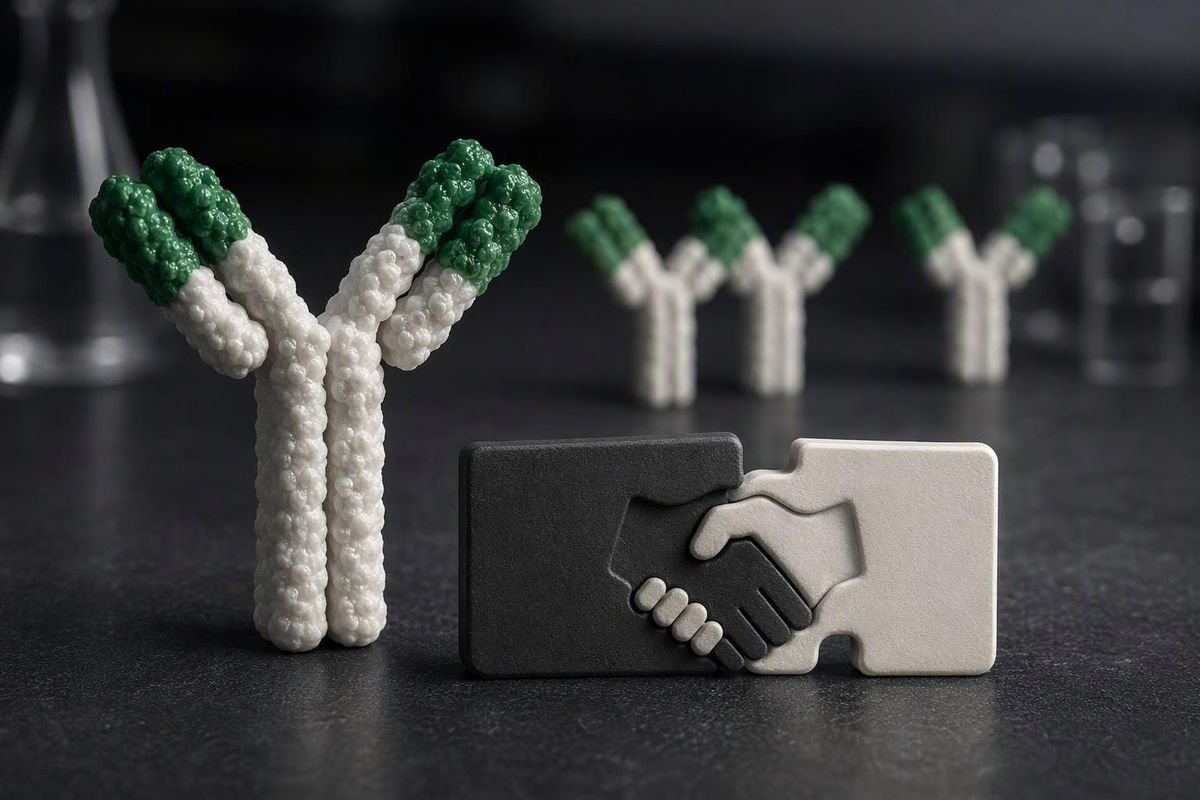
Sanofi will pay Regeneron $1.0 billion upfront, plus up to $7.0 billion more in milestones, to co-develop four new Regeneron-invented antibodies, according to an 8-K filed Tuesday. The same filing says Regeneron will dismiss its lawsuit over Dupixent sales information.
What the 8-K says
The Sixth Amendment to the companies' antibody license and collaboration agreement was signed October 1. It covers four long-acting antibodies: one aimed at IL-13, one at IL-4, one at IL-4 receptor alpha, and a bispecific antibody aimed at both IL-4 and IL-13.
The $7.0 billion in additional payments depends on development, regulatory and commercial milestones. Global profits from the new products will be shared equally.
Development costs for all licensed products, including the new ones, are also split equally. Costs above a budget cap for the new products fall to Regeneron, which has certain rights to recoup the excess in later years.
Regeneron leads development, and leads regulatory work until a marketing application is filed. After that it stays the lead regulatory party in the United States, while Sanofi takes that role outside the U.S. Sanofi leads commercialization.
The filing also gives Regeneron an option, asset by asset after certain ongoing trials, to add Sanofi's lunsekimig, a bispecific Nanobody therapy aimed at TSLP and IL-13, and another early Sanofi product. If it does, Regeneron reimburses Sanofi for certain development costs.
The lawsuit and the quarter
Alongside the amendment, the companies signed a settlement. Regeneron agreed to dismiss its suit over Sanofi's duty to give it full access to material Dupixent commercialization information, and over Regeneron's audit rights.
Regeneron also expects a preliminary, unaudited charge of about $22 million before tax in the third quarter for acquired in-process research and development. The company says that cuts earnings per share by about $0.18, on both a standard-accounting and adjusted basis. Results are not final.
Why Dupixent matters here
BioSpace reported that Dupixent brought in $17.8 billion worldwide last year and that a key U.S. patent expires in 2031. It frames the four antibodies as a search for a successor. BioSpace also said Regeneron sued Sanofi last year over access to the sales data.
As of Tuesday's pre-market report at 7:56 a.m. ET, REGN shares were at $726.47, down 1.19%.
Regeneron says it will file the full amendment as an exhibit to its third-quarter Form 10-Q, where final quarterly results will also appear.
Sources
- 8-K Filing — REGENERON PHARMACEUTICALS, INC. (REGN) — SEC EDGAR
- Sanofi pays Regeneron $1B for 4 early-stage assets to ignite R&D — fiercebiotech.com
- Sanofi pays Regeneron $1B upfront to continue search for Dupixent successor - BioSpace — biospace.com
- Sanofi Invests $8 Billion in Regeneron's Immunology Pipeline Amid Dupixent Success, ETPharma — pharma.economictimes.indiatimes.com
- Sanofi to pay Regeneron up to $8B to expand long-acting drug pipeline | Seeking Alpha — seekingalpha.com
- Sanofi Puts Up $1B to Expand Regeneron Alliance and Develop Next-Gen Dupixent - MedCity News — medcitynews.com