Relmada's Bladder-Cancer Drug Needed A New Manufacturing Process Before Its Late-Stage Trials
The CEO described two production approaches with encouraging stability data as Relmada prepares its U.S. trial application.


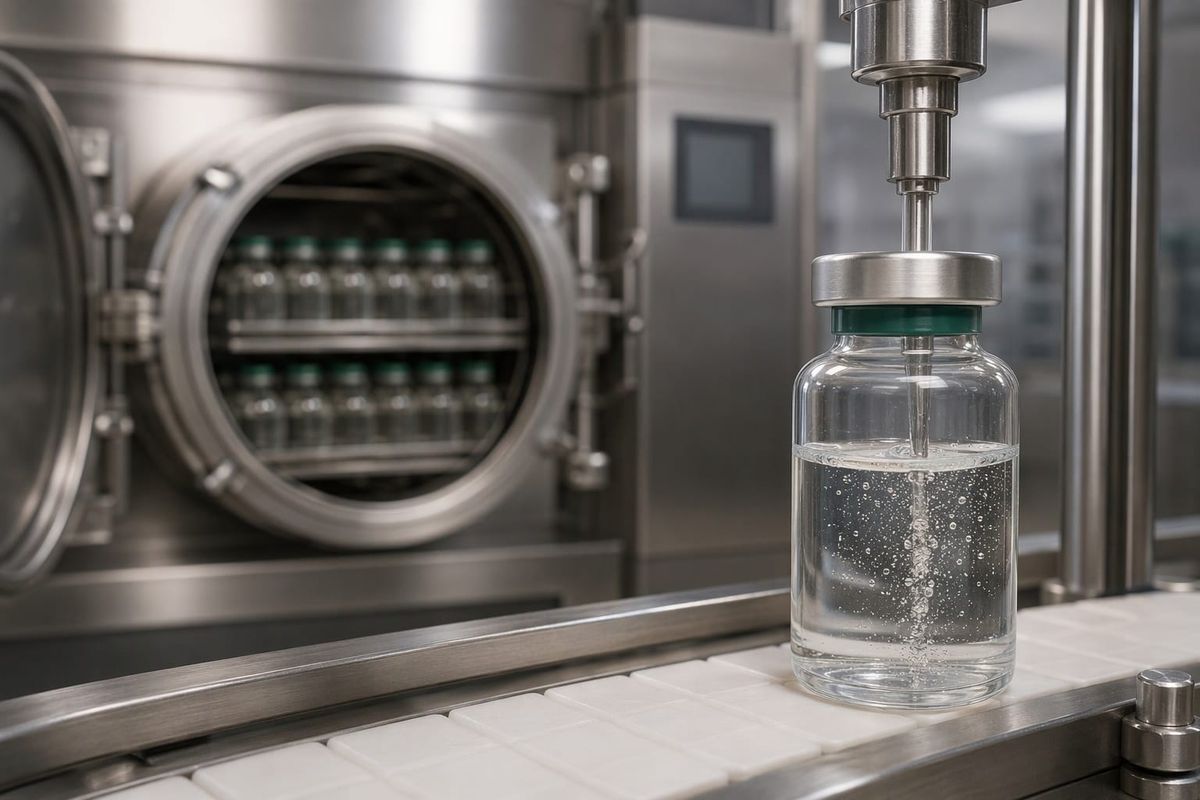
Relmada Therapeutics, which develops experimental medicines for bladder cancer and neurological disorders, had to build a new manufacturing process for NDV-01, Chief Executive Officer Dr. Sergio Traversa said on the company's earnings call Thursday. The company has established a production plan intended to supply its late-stage trials without interruption and prepare for commercial production.
A Hospital Prototype Needed Rebuilding
The treatment used in the mid-stage trial came from a hospital pharmacy, where it was prepared for administration soon afterward. Sterilization involved heating the product to 120 degrees Celsius in an autoclave.
Traversa said that approach could not serve larger-scale manufacturing or support an application to begin U.S. trials. Relmada needed a production method that would make the same treatment under different manufacturing conditions.
“we had to recreate from the starting point a brand new process,” Traversa said.
An analyst asked whether manufacturing problems had been completely resolved. Traversa disputed the premise: “There was no real particular issue that needed to be resolved, but the process needed to be optimized”. He described the work as more extensive than moving an existing manufacturing process from one plant to another.
Two Approaches, Nine Weeks Of Data
Relmada has pursued manufacturing work in both the U.S. and Israel. Traversa said stability results from both efforts looked encouraging, but management had not chosen which approach to take forward.
The company now has different sterilization processes in place and has optimized the manufacturing steps, he said. Production has reached batches made under good manufacturing practices, the standards used to control drug production.
Traversa cited about nine weeks of stability data and said the results appeared to fall within FDA requirements. That assessment remains management's view as Relmada prepares its application.
NDV-01 combines gemcitabine and docetaxel, chemotherapy drugs, in a controlled-release treatment administered into the bladder. It targets cancer that has not invaded the bladder muscle. Relmada has no approved products and has not generated revenue, making the move from experimental treatment to repeatable production central to its development work.
Spectrum Depends On Regulatory Clearance
Relmada expects to submit its application to begin U.S. trials by year-end 2026. Management plans to start the late-stage Spectrum program once the FDA clears that application.
The program's new name does not change its design. It includes a single-arm study in high-risk patients with carcinoma in situ, with or without papillary disease, and a separate randomized study in patients with low-grade, intermediate-risk disease.
Relmada expects its cash resources to fund operations through 2029, including completion of the late-stage Spectrum studies. The manufacturing plan is intended to carry clinical supply through those trials while preparing the company for commercialization.
The next planned step is the year-end U.S. trial application; starting Spectrum still depends on regulatory clearance.
Sources
- Relmada Therapeutics Reports Third Quarter 2026 Financial — globenewswire.com