Marriott CEO Says Key Money Is 'Weapon Of Choice' In Conversion Race, Cites 75% Per-Room Premium
Tony Capuano defended owner incentive spending, saying key-money deals this year carry a premium per room of about 75%.


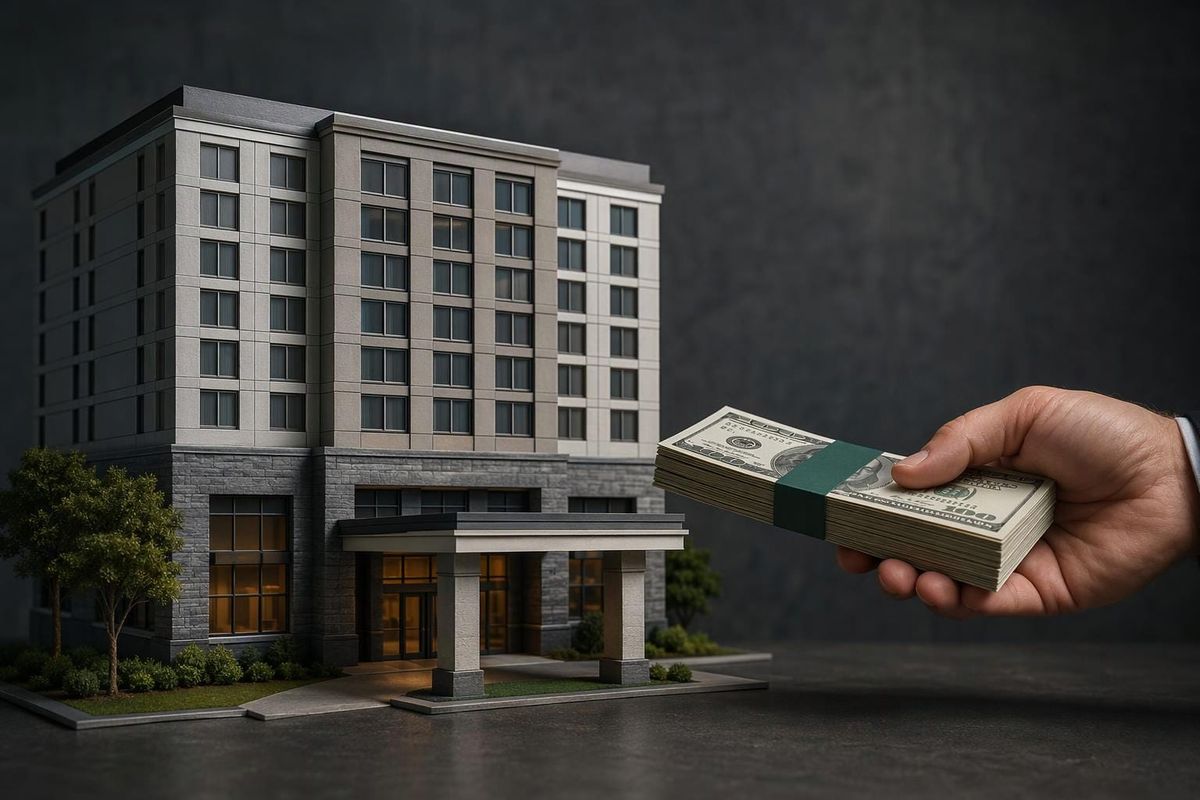
Marriott CEO Tony Capuano said on the company's third-quarter earnings call Monday that "whether we like it or not, key money seems to be the weapon of choice" in the fight for hotel conversions. He defended the spending with new data: deals where Marriott paid key money, the cash it gives owners to win a hotel, carried an average value premium per room of about 75% in the first three quarters of this year.
A 75% premium per room
Capuano said it is "a competitive environment out there, particularly given the increasing importance of conversions," meaning existing hotels that switch to a Marriott brand. He said Marriott runs every deal involving its capital through a rigorous evaluation.
The company's own tally, he said, shows deals with key money "have yielded significantly more value" than those without. For all deals in calendar 2025, the premium per room on key-money deals averaged about 65%, rising to about 75% through the first three quarters of 2026.
A Wells Fargo analyst had asked whether key money, which the analyst put in a $500 million to $600 million range, is the new normal or will keep growing.
Spending guidance holds at $1.25 billion
CFO Jen Mason said full-year investment spending is still expected at $1.25 billion to $1.35 billion. Key money and other contract acquisition costs are 40% to 45% of that, technology 25% to 30%, and the rest goes to renovations at owned and leased hotels and other investing.
For next year, she said it is too early for specifics, but key money and contract acquisition costs are likely to keep rising given system growth, while technology spending should come down a bit.
Conversions carry the growth
Marriott, which franchises, operates and licenses hotels and other lodging under brands from luxury to midscale, said conversions made up over a third of signings and over 40% of openings in the first nine months. Capuano said the company intends to "continue to stand on that accelerator."
Global new-build construction starts were down about 24% year to date through the first three quarters, he said, with the caveat that data outside the US is less precise. In the US and Canada, new-build starts were up 20% year over year.
The global pipeline grew over 6% to a record of over 634,000 rooms at the end of September, which Capuano called the industry's largest. Marriott also raised its full-year global RevPAR (revenue per available room) growth outlook to 4.5% to 5%, and still expects net rooms growth toward the low end of its prior 4.5% to 5% range.
Capuano said the budget process is a month or two from yielding a breakdown of 2027 RevPAR across business, leisure and group travel; Marriott's preliminary view is global growth of 3.5% to 4.5%.
Sources
- Marriott Q3 2026 earnings beat estimates, outlook raised — qz.com
- Marriott Q3 2026 earnings beat expectations as U.S. hotel demand rose — qz.com
- Marriott delivers solid Q3 and raises outlook to reflect development pipeline, RevPAR growth (MAR:NASDAQ) | Seeking Alpha — seekingalpha.com
- Marriott lifts annual room revenue growth forecast — Bloomberg
- Marriott: Q3 Earnings Snapshot — Associated Press