Immunovant Posts $97.2 Million Quarterly Loss — Arthritis Drug Meets Main Trial Goal
The higher dose preserved responses in rheumatoid arthritis, while further development in Sjögren’s disease looks unlikely.


Immunovant, which develops experimental antibody medicines for autoimmune diseases, narrowed its quarterly loss to $97.2 million from $126.5 million a year earlier, according to an SEC filing Monday. Its lead drug also met the main goal of a rheumatoid arthritis trial at the higher dose, but the company expects further development in Sjögren’s disease to be unlikely.
An Arthritis Win With Limits
The rheumatoid arthritis result tested whether patients who had already responded could maintain that improvement. After 170 participants received IMVT-1402 at 600 mg for 16 weeks, responders qualified for a randomized withdrawal period; 117 participants entered its efficacy analysis, with 40 assigned to 600 mg, 36 to 300 mg and 41 to placebo.
At Week 28, the specified response persisted in 92.5% of patients receiving 600 mg, versus 75.6% receiving placebo. The lower dose produced a 75.0% response rate and no difference from placebo. Secondary measures of disease activity numerically favored the higher dose but did not establish statistically significant differences.
Exploratory measures of deeper improvement reached 80.0% and 52.5% in the higher-dose group, versus 56.1% and 36.6% on placebo. The trial was not designed to establish differences on those measures. During the randomized period, no group reported serious adverse events, severe treatment-emergent adverse events or adverse events that caused patients to stop treatment.
Lower Quarterly Costs, Larger Six-Month Loss
Research spending fell to $85.0 million from $114.2 million in the fiscal second quarter ended September 30, 2026. Immunovant attributed the decline primarily to winding down batoclimab trials and the timing of manufacturing costs for IMVT-1402. Administrative costs rose to $19.1 million from $17.5 million as spending on commercialization preparations increased.
The unaudited quarterly loss was $0.47 per share, versus $0.73 a year earlier. The adjusted loss narrowed to $84.0 million from $113.3 million; non-cash stock pay included in the reported losses was $13.3 million and $13.4 million, respectively.
The six-month picture ran the other way: the loss reached $250.5 million, versus $247.1 million, while research costs rose to $227.6 million from $215.4 million. IMVT-1402 trial activities, including manufacturing costs, drove that increase, partly offset by the batoclimab wind-down. Six-month administrative spending fell to $36.8 million from $43.5 million, principally because personnel costs and professional fees declined.
Cash Supports A Potential Graves’ Launch
Immunovant held $722.3 million in cash and equivalents at September 30, compared with $902.110 million at March 31, 2026. Under its current operating plan, the company says that reserve can fund operations through a potential IMVT-1402 commercial launch in Graves’ disease.
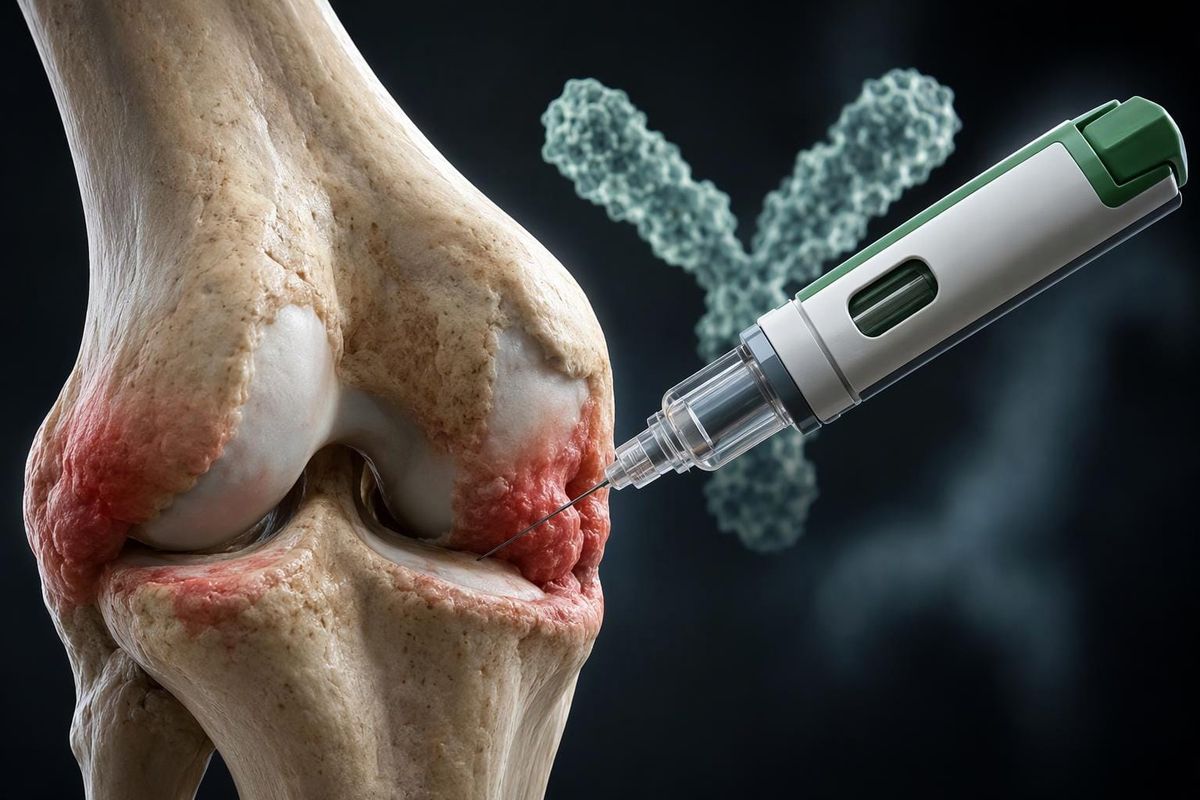
The majority-owned Roivant subsidiary depends heavily on developing IMVT-1402, obtaining approval and bringing it to market. Also called imeroprubart, the medicine targets a protein that keeps antibodies from breaking down, aiming to reduce harmful antibodies that attack patients’ own tissues. Its studies use injections delivered through an autoinjector.
Immunovant expects it is unlikely to pursue Sjögren’s disease beyond its fully enrolled mid-stage trial, citing changes in the treatment landscape and recent outside data. Other development timelines remain on track: initial Graves’ disease and myasthenia gravis results are expected in 2027, with chronic inflammatory demyelinating polyneuropathy results expected in 2028.
Immunovant plans discussions with the FDA later this year to determine the next steps for its rheumatoid arthritis approval program.
Sources
- 8-K Filing — Immunovant, Inc. (IMVT) — SEC EDGAR
- Exhibit exhibit9912026119.htm — Immunovant, Inc. 8-K exhibit — SEC EDGAR
- Immunovant Provides Corporate Updates and Reports Financial — globenewswire.com
- Roivant Reports Financial Results for the Second Quarter — globenewswire.com