GSK Gets EU Panel Backing To Extend Bexsero Protection With An Adolescent Booster
The proposed single dose covers previously vaccinated people aged 10 and older, targeting another period of increased meningitis B risk.


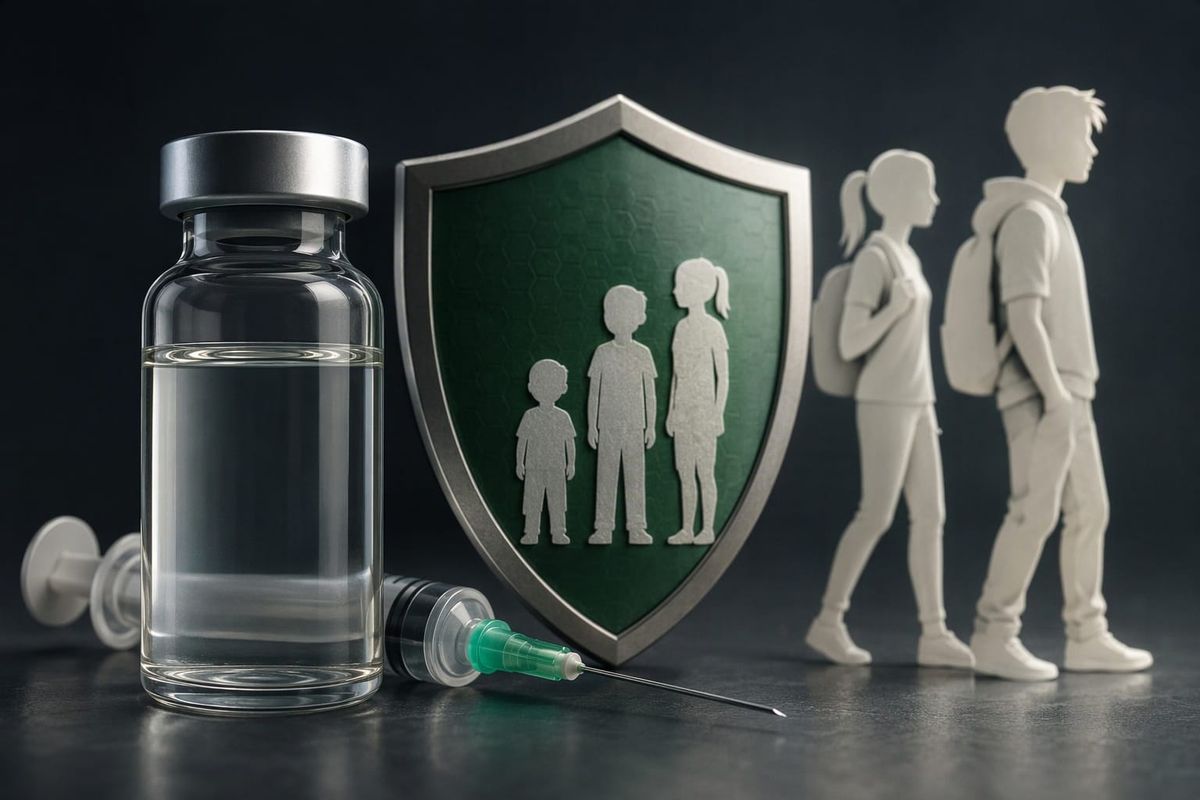
GSK, a global biopharmaceutical company, received EU panel backing Friday for a single Bexsero booster in previously vaccinated people aged 10 and older. Its announcement said the proposed use could help infant vaccination programmes maintain protection into adolescence, when invasive meningococcal disease incidence rises again.
Immune memory reaches into adolescence
The European Medicines Agency's Committee for Medicinal Products for Human Use recommended adding the booster to Bexsero's approved uses. Eligible recipients would have received their previous Bexsero vaccination at least two years earlier; the recommendation still awaits approval.
The supporting research found that a dose could strengthen immune memory established by infant vaccination up to 19 years earlier. The late-stage trial met its main goal: previously vaccinated participants produced a stronger immune response to the booster than adolescents receiving their first meningitis B vaccine dose.
Researchers enrolled 312 healthy participants, aged 10–20, across Finland, Italy, Spain and the UK. Of those, 234 had received Bexsero in infancy and 78 had never received a meningococcal B vaccine. The study was open-label, meaning participants and researchers knew which treatment was given, and assessed immune response and safety across multiple centres.
Safety findings, including reactions to vaccination, matched Bexsero's established safety profile for that age group.
An existing infant vaccination population
Bexsero is registered in 61 countries to prevent invasive disease caused by Neisseria meningitidis serogroup B. European use includes 15 national and/or regional infant immunisation programmes and three national adolescent programmes, with some countries funding additional infant vaccination regionally.
Around 140 million doses have been distributed globally since 2015; GSK's supporting reference puts that shipment tally through October 2025.
Sanjay Gurunathan, GSK's senior vice president for R&D Vaccines & Infectious Diseases, linked the recommendation to children vaccinated in infancy reaching adolescence. “If adopted, adolescent boosters could help reduce the overall burden of Invasive Meningococcal Disease (IMD) in countries with established infant MenB programmes”, he said.
The infection is uncommon but can quickly become life-threatening, causing meningitis or septicaemia — blood poisoning. Death or lasting complications can occur despite treatment. Incidence peaks among infants and young children, then again among adolescents and young adults.
GSK said adolescents' social contact, close living arrangements and sharing of personal items make them more likely to catch or transmit the bacteria. In Europe, serogroup B is the leading cause of invasive meningococcal disease among people under 65.
If approved, the proposed booster would give existing Bexsero vaccination programmes a single-dose option for previously vaccinated people entering another period of increased disease risk.
Sources
- Form 6-K — BEXSERO BOOSTER RECEIVES POSITIVE CHMP OPINION — SEC EDGAR
- Can Gilead Sciences' HIV Business Fuel Sustainable Long-Term Growth? — Yahoo Finance
- EX-99.1 — sec.gov
- EX-99.1 — sec.gov