First Majestic Moves Restart Spending Into 2026 — Its 2027 Target Stays In Place
The Nevada gold mine could add open-pit ore, but First Majestic cautioned that the restart plan carries increased economic and technical risk.


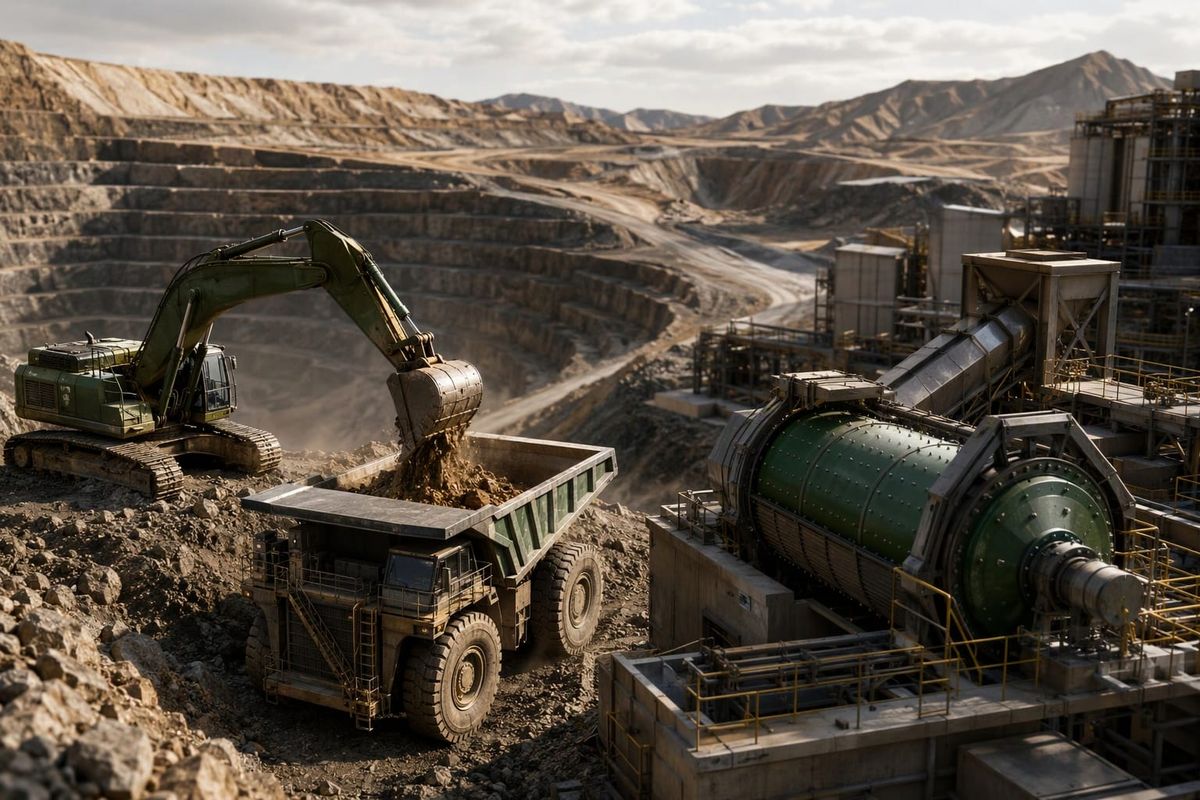
First Majestic Silver, which produces silver and gold in Mexico and the United States, brought Jerritt Canyon restart investments forward into 2026 from 2027, according to its Thursday release. The Nevada gold mine still targets a restart in the second half of 2027, with open-pit ore under evaluation as an addition to planned underground production.
Earlier Spending, Unproven Economics
First Majestic is advancing the restart plan it announced on April 2, 2026. It accelerated foundation work for a vertical roller mill and purchases of mining and processing equipment that take substantial time to deliver.
The company cautioned that the proposed restart is proceeding without a completed pre-feasibility or feasibility study establishing its economic and technical viability. First Majestic said that increases uncertainty about project economics and the risk of technical failure.
Senior leadership and key technical jobs have been filled. Underground development and rehabilitation are progressing toward the areas scheduled to be mined first, alongside engineering work and plant upgrades.
The new mill will replace the existing crushing, grinding and drying circuit and prepare underground and potential open-pit ore for the roasting facility. First Majestic expects the change to increase processing volumes, lower operating costs and make better use of existing roasting capacity.
Saval Could Supply Additional Ore
Saval, a historical open-pit area northwest of the SSX and Smith underground mines, already has an open-pit mining permit. Earlier operations used higher minimum gold grades, leaving material First Majestic believes could be economic at current gold prices.
Chief executive Keith Neumeyer described the opportunity as “a meaningful source of open-pit mill feed alongside the underground operation.”
Drilling intercepted 36.6 metres averaging 5.87 grams of gold per tonne, including 9.1 metres at 19.67 grams per tonne. Another interval measured 48.8 metres at 4.24 grams per tonne, including 19.8 metres at 7.39 grams per tonne.
Those measurements describe lengths along drill holes; the actual widths of the mineralized zones have yet to be established. First Majestic expects little difference between the two based on its geological interpretation.
Surface drilling has covered 15,983 metres in 146 holes, with many laboratory results pending, particularly from northern targets. Two diamond drill rigs are following up on 2025 results in the Smith mine. Drilling is scheduled to continue through 2026 and into 2027.
Further work at Saval will examine areas where drilling could not clearly distinguish historical pit backfill from mineralized bedrock. The program aims to expand mineral resources or improve confidence in their classification.
Land For Water And Workers
First Majestic also bought 2,971 acres next to the mine. It expects the property to support mine-water removal and potentially house employees in existing liveable buildings, reducing travel to the site. The land may also provide conservation offsets for future permitting beyond the current mine plan.
The company's producing operations consist of four underground mines in Mexico: Los Gatos, Santa Elena, San Dimas and La Encantada. First Majestic holds 70% of the joint venture that owns and operates Los Gatos. Its overall market value was $7.3 billion at Wednesday's close.
First Majestic expects an updated technical report at the end of the first quarter of 2027, incorporating exploration, engineering and mine-planning work. Planning will continue beyond that report as additional drilling results arrive.
Sources
- Form 6-K — New York — SEC EDGAR