Exponent Puts AI At 15% To 20% Of Its Business, With Driverless-Car Disputes Already In Hand
President John Pye says the estimate understates nothing but reflects how deeply AI is embedded in client technology, and some failure work is live.


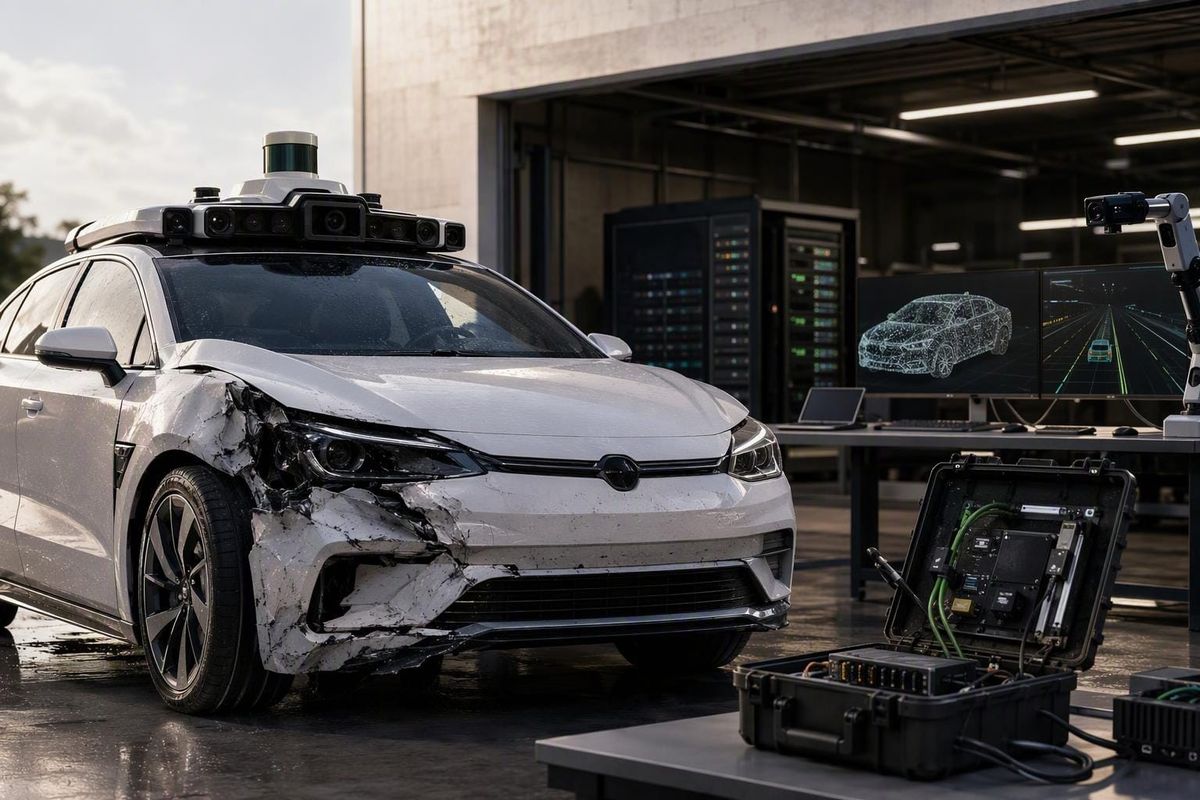
Exponent, the science and engineering consulting firm that investigates accidents and product failures, estimates AI is a direct element of roughly 15% to 20% of its business this year, President John Pye said on the company's third-quarter earnings call Thursday. Executives said failure and dispute work tied to driverless vehicles and data centers is already under way.
An estimate that runs wider than the number
Pye called the range "an estimate because AI is embedded in so much of the technology our clients build," adding that its influence reaches well beyond those engagements.
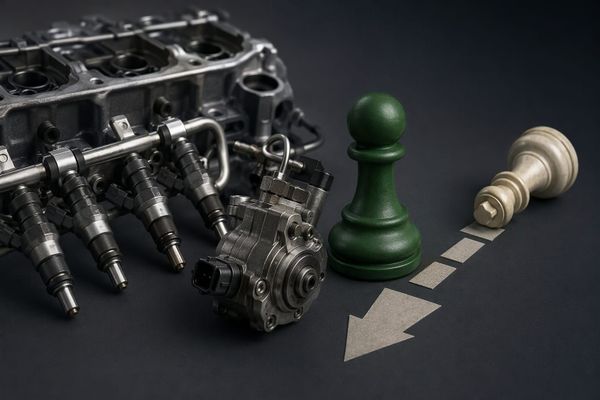
Most of the work sits at the top of what he described as a five-layer AI stack, in applications where Exponent supplies training data and tests how systems behave in real-world conditions. The firm also works at lower layers, helping clients with generators, connectors, cables and concrete for data centers, plus denser network switches and advanced cooling systems.
Pye said questions that were hypothetical a year ago are now real projects, including requests to evaluate AI-generated materials and formulations that raise safety questions, and to explain why an AI system made a particular decision in a vehicle, device or piece of equipment. Those engagements are "still early," he said, but the inquiries are growing.
Where AI failure work already exists
Asked by a Truist analyst whether AI-caused damage already produces dispute work, Pye pointed to transportation, where driver-assistance and automated-vehicle work has a large reactive share. That part of the business, he said, is "here right now." Whether chemical-formulation questions have reached litigation is "maybe a little bit early," he said.
Executive Vice President Richard Schlenker said Exponent already handles construction disputes tied to AI systems, and is working on data-center fires, liquid-cooling corrosion and router failures. Fully autonomous vehicles, he said, are producing product liability suits and regulatory investigations, including questions about a Cruise vehicle's decision in San Francisco. Exponent has written public reports in some of those matters.
CEO Catherine Corrigan named medical devices, including wearables that make health-related predictions, as the next likely ramp for reactive work.
The quarter behind the AI talk
Total revenues rose 18% to $173.7 million, and revenues before reimbursements rose 12% to $153.1 million, CFO Eric Anderson said. Net income rose 10% to $30.9 million, and diluted earnings per share rose 16% to $0.64.
For the full year, Exponent raised its guidance to net revenue growth of 10% to 11% and EBITDA of 28% to 28.3% of net revenues. For the fourth quarter it expects net revenue growth of 8% to 10%, which Anderson attributed to a tough comparison rather than a slowdown.
Anderson said Exponent still has $50 million authorized for share repurchases and will buy back stock when the price pulls back.
Sources
- Exponent: Q3 Earnings Snapshot | wusa9.com — Associated Press
- Exponent: Q3 Earnings Snapshot | king5.com — Associated Press
- Exponent Reports Third Quarter 2026 Financial Results — globenewswire.com
- Exponent Declares Regular Quarterly Dividend for Q4 2026 — globenewswire.com