Denali's Cheap Launch Costs Rest On $4.5 Million Of Pre-Approval Inventory Due To Run Out In December
Cost of goods sold was $0.2 million on $17.8 million of AVLAYAH sales, but the company expects per-unit costs to rise as the stock sells.


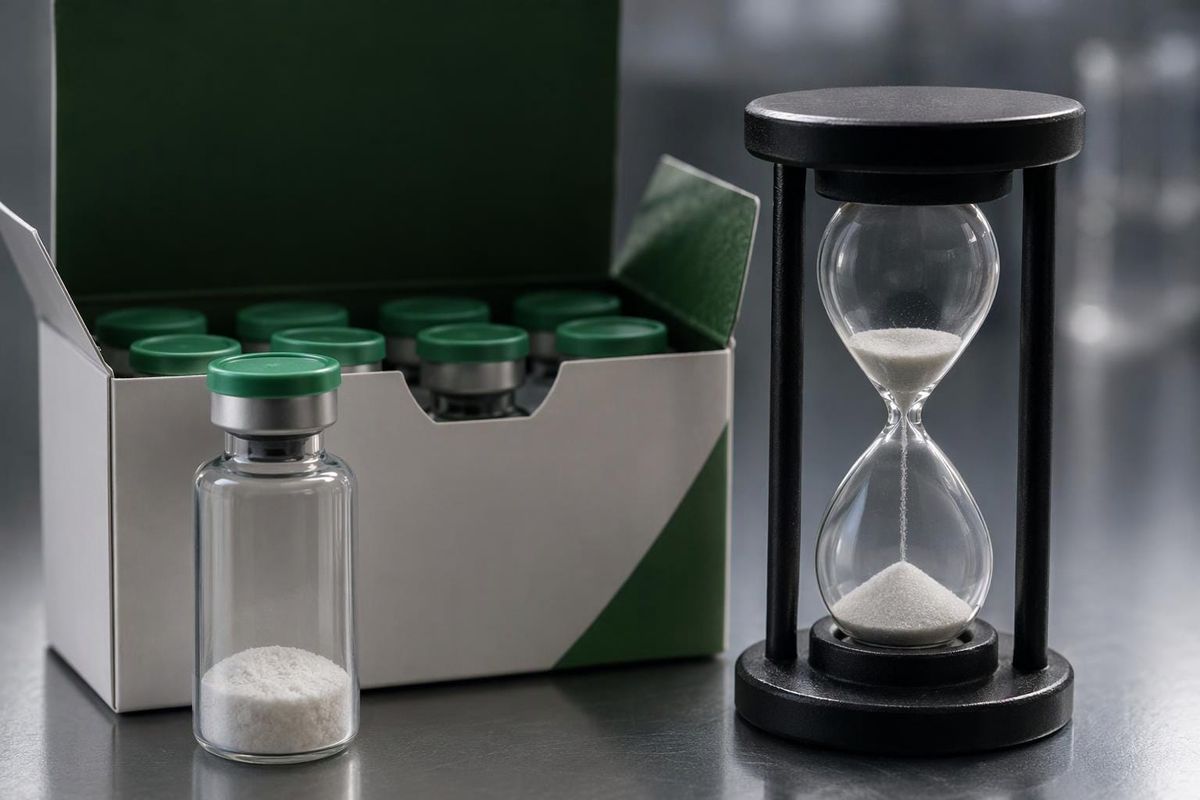
Denali Therapeutics, which develops drugs built to cross the blood-brain barrier, said in its 10-Q filed Tuesday that it has just $4.5 million of expensed pre-launch inventory left, expected to be sold through by December 2026. That stock is why cost of goods sold on its first drug, AVLAYAH, was only $0.2 million against $17.8 million of third-quarter product revenue, and the company expects cost per unit to climb as it runs out.
A low cost line with an expiry date
Denali expensed manufacturing costs as research and development before the FDA approved AVLAYAH in March 2026, so the early units sold carry a low average materials cost. Management expects unit costs to rise once that stock is gone.
The pile has shrunk and its end date has moved up. The prior quarter's 10-Q showed $12.6 million of expensed pre-launch inventory, expected to be sold through by January 2027. For the nine months, cost of goods sold was $0.3 million on $21.4 million of revenue.
The company's earnings release guides to fourth-quarter net product revenue of $30.0 million to $32.0 million. It also says coverage now exceeds 70% of U.S. commercial lives, up from more than 50% in the prior quarter.
Inventory and receivables swell
Inventory stood at $26.3 million at September 30, against none at the end of 2025. Accounts receivable reached $18.9 million, also from zero. Both sit on the balance sheet because costs incurred after approval are capitalized.
AVLAYAH is sold to a single specialty distributor, which the filing calls the company's sole customer. One customer accounted for substantially all product revenue and substantially all receivables.
Denali is an early commercial-stage company with one approved product. It makes AVLAYAH through third-party manufacturers and expects to keep doing so for the foreseeable future.
Burn continues despite a voucher windfall
Net income was $70.1 million for the quarter, but that included a one-time $194.0 million net gain from selling the priority review voucher it received with the approval. For the nine months, the company posted a net loss of $185.9 million, and operating cash burn was $345.6 million.
Denali says AVLAYAH revenue is not expected to offset operating expenses in the near term. Cash, cash equivalents and marketable securities were $1.0 billion, which management believes funds operations for at least twelve months after the filing date.
The launch is also partly financed through Royalty Pharma. The liability for that revenue participation right was $209.7 million at September 30, with an effective annual interest rate of about 12%. Royalty Pharma gets a 9.25% royalty on worldwide AVLAYAH net sales, and the company booked $6.1 million of related interest expense in the quarter.
The next test is the fourth quarter, when Denali's $30.0 million to $32.0 million revenue guide meets the first stretch with the cheap inventory nearly gone.
Sources
- 10-Q Filing — Denali Therapeutics (DNLI) — SEC EDGAR
- 10-Q Filing — Denali Therapeutics (DNLI), Q2 FY2026 filed 2026-08-06 (comparison basis) — SEC EDGAR
- Earnings release (8-K Item 2.02, ex991pressreleaseq32026.htm) — Denali Therapeutics, filed 2026-11-03 — SEC EDGAR