Cullinan’s Velinotamig Shows Early Lupus Activity — Four Patients Meet Kidney-Response Measure
The China study treated 12 patients, with interim results supporting Cullinan’s development plans beyond lupus.


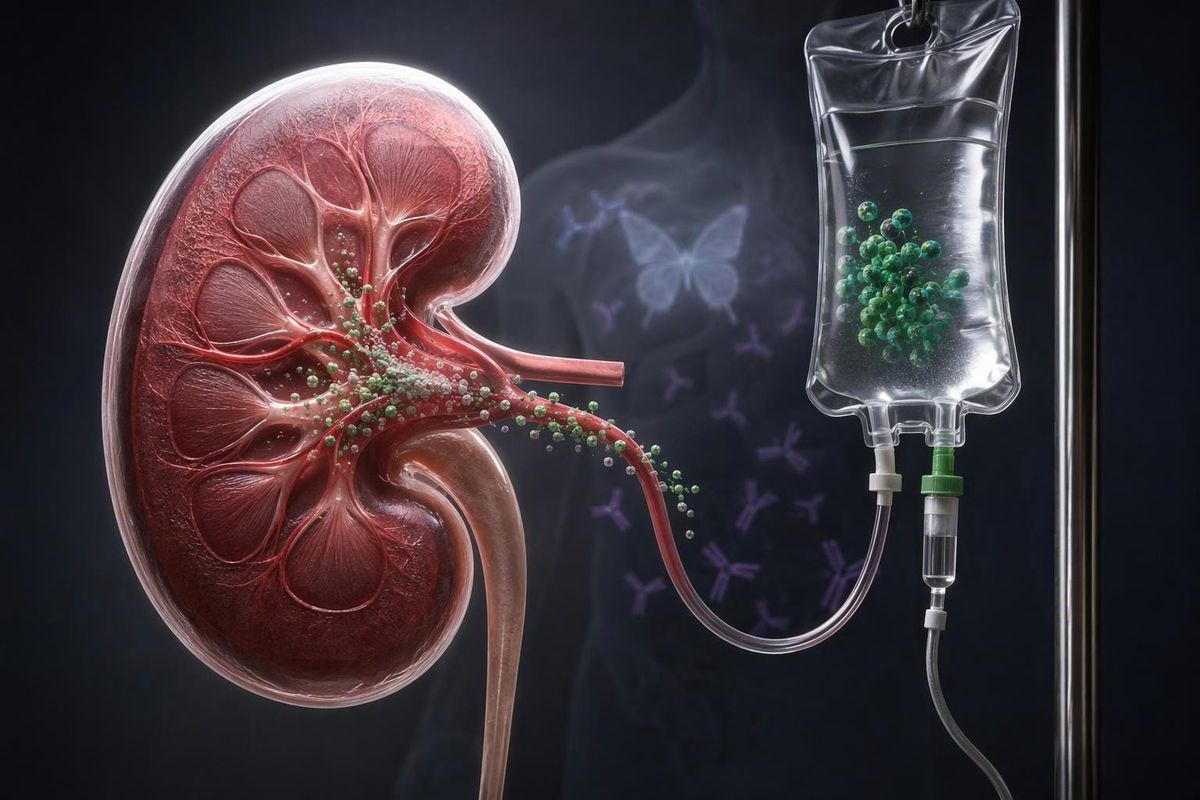
Cullinan Therapeutics, which develops drugs for autoimmune diseases and cancer, said Sunday that velinotamig produced kidney responses meeting the study’s complete-response measure in four patients with treatment-resistant lupus. The early results, presented at American College of Rheumatology Convergence 2026 and described in an SEC filing Monday, also showed lower disease activity in eight of nine evaluable patients.
Kidney Responses In A Small Study
The ongoing China trial is run by Chongqing Genrix Biopharmaceutical, known as Genrix Bio. At the September 8, 2026 cutoff, researchers had treated 12 patients in three groups receiving multiple doses; the disease-activity findings covered the first nine with at least four weeks of follow-up.
Eight patients’ scores fell at least four points on SLEDAI-2K, a scale measuring lupus activity. Of seven evaluable patients whose urinary protein exceeded 500 mg/24 hours before treatment, five had reductions the company described as rapid and marked. Four reached levels below 500 mg/24 hours within 24 weeks, the study’s complete kidney-response measure.
Kidney damage is a severe manifestation of lupus, a disease in which the immune system attacks the body’s own tissues. Laboratory results also showed lower anti-double-stranded DNA antibodies and blood IgG, higher complement C3 and depletion of CD19-positive B cells.
Inflammatory Reactions And Longer Follow-Up
Two patients experienced cytokine release syndrome, an inflammatory reaction, at Grade 1 or Grade 2 severity. Both recovered with standard treatment; no Grade 2 reactions occurred after researchers changed the escalating-dose schedule.
Researchers observed no toxicity that limited dosing, no immune-effector-cell-associated neurological toxicity and no cytokine release syndrome at Grade 3 or above.
The early-stage study is open-label, meaning treatment is known to patients and researchers. Participants have active, moderate-to-severe lupus despite at least three months of standard treatment. They receive four intravenous doses—on days 1, 4, 8 and 29—with follow-up planned for up to 48 weeks. Cullinan cautioned that further enrollment and observation could materially change the safety and clinical findings, and the interim results may not predict final outcomes.
Cullinan’s Blood-Disorder Program
Cullinan holds exclusive development rights to velinotamig for all indications outside Greater China. The drug is designed to direct T cells against cells carrying BCMA, including plasma cells that produce disease-causing antibodies.
Cullinan is also testing injections under the skin in patients with relapsing or treatment-resistant immune thrombocytopenia and warm autoimmune hemolytic anemia. Jeffrey Jones, Cullinan Therapeutics’ chief medical officer, said the results support global development, including “our initial focus on autoimmune cytopenias,” conditions involving immune-related depletion of blood cells.
That program featured in the company’s previously announced scientific presentation plans, alongside preclinical research targeting the B cells and plasma cells involved in those disorders.
Cullinan plans a trial-in-progress presentation on injectable velinotamig for those blood disorders on December 13, 2026, at the American Society of Hematology meeting.
Sources
- 8-K Filing — Cullinan Therapeutics, Inc. (CGEM) — SEC EDGAR
- Exhibit cgem-ex99_1.htm — Cullinan Therapeutics, Inc. 8-K exhibit — SEC EDGAR
- Velinotamig, a BCMAxCD3 T Cell Engager, Achieves Complete Renal Responses and Significantly Reduces Disease Activity in Systemic Lupus Erythematosus in Data Presented at ACR Convergence 2026 – Company Announcement - FT.com — Financial Times
- Velinotamig, a BCMAxCD3 T Cell Engager, Achieves Complete — globenewswire.com
- Cullinan Therapeutics Announces Presentations for CLN-049, — globenewswire.com