Century Therapeutics Estimates Its $174.1 Million Will Cover Operations Into Early 2029
Lower staff and facility costs helped narrow the quarterly loss as Century prepares its cell therapies for human testing.


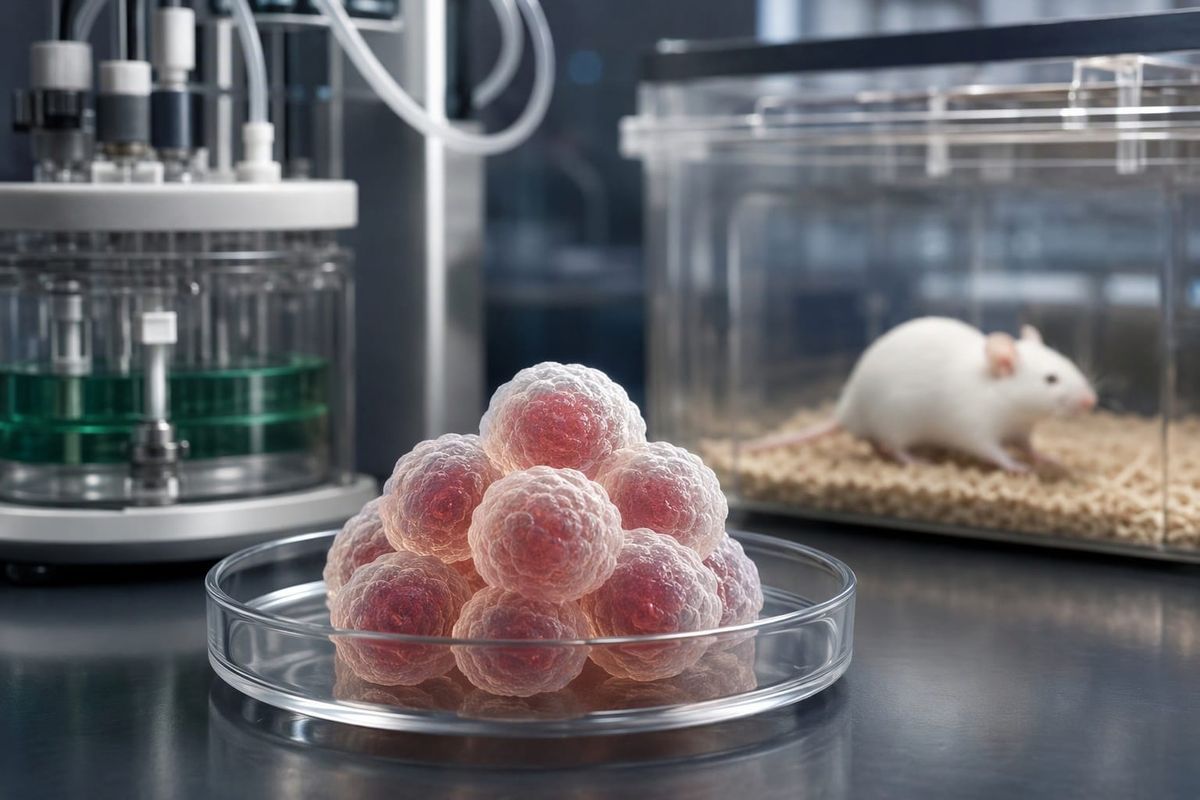
Century Therapeutics, which is developing insulin-producing replacement cells for type 1 diabetes, estimated Thursday that its $174.1 million in cash and investments would cover operations into the first quarter of 2029. The outlook came in its earnings release, furnished with an 8-K Thursday, as the company prepares to take its programs into human testing.
Lower Research Costs Narrow The Loss
Century held the cash and investments at September 30, compared with $117.1 million at December 31, 2025. Its third-quarter research spending fell to $18.1 million from $22.5 million a year earlier. Century attributed the reduction chiefly to fewer employees and lower facility costs after its previously announced decision to prioritize programs.
The quarterly net loss narrowed to $23.5 million from $34.4 million a year earlier. Administrative spending rose to $7.1 million from $6.8 million, and neither quarter generated collaboration revenue. The year-earlier quarter also included a $6.8 million asset impairment charge.
Loss per share narrowed to $0.11 from $0.40. The average share count used in that calculation was 206,438,860, compared with 86,464,066 a year earlier.
The longer-period results tell a different story: Century lost $79.6 million in the first nine months of 2026, versus net income of $9.6 million a year earlier. Collaboration revenue for those periods was zero and $109.2 million, respectively.
Replacement Cells Head Toward Human Testing
Century uses induced pluripotent stem cells—cells that can multiply and develop into different cell types—to make insulin-producing cells and engineered immune cells. Its donor-derived treatments are designed for advance manufacturing, rather than production from each patient's own cells.
The diabetes program, CNTY-813, is intended to replace insulin-producing islet cells. Century's October 2 announcement described animal results addressing cell function, resistance to immune attack and manufacturing at clinical scale.
The studies included blood-sugar control in diabetic mice lasting until the transplanted cells were removed, in an experiment running more than eleven months. Five clinical-scale batches produced consistent final products that exceeded purity criteria. Cells stored cold for 96 hours also normalized blood sugar in mice within 30 days and maintained control through three months of follow-up.
Chief Executive Officer Brent Pfeiffenberger said Century had reached general alignment with the FDA on both programs, "positioning us for an important transition to clinical execution in 2027."
Century expects to submit its application to begin CNTY-813 human testing in the fourth quarter of 2026. The company said its discussions with the FDA covered the animal-data package, early-stage manufacturing process and proposed trial design. It also anticipates that CNTY-308, its engineered immune-cell therapy targeting B cells, will enter clinical testing in 2026.
Century anticipates initial safety findings and early evidence of efficacy from the first CNTY-813 human trial in the second half of 2027.