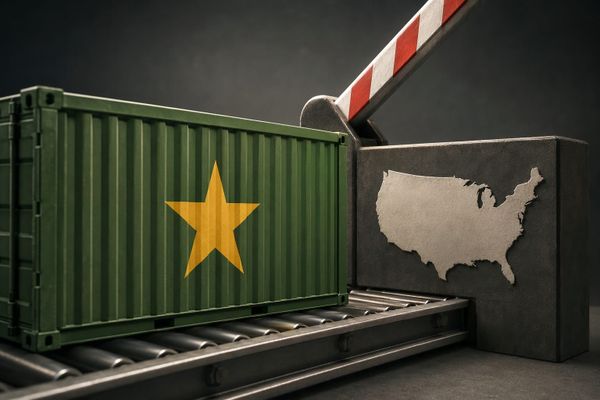
Brazilian Aircraft Face Proposed 10% U.S. Tariff As Sugar Plan Reaches Other Countries
The sugar proposal would replace Brazil’s 25% tariff with additional per-kilogram duties on covered imports across countries.


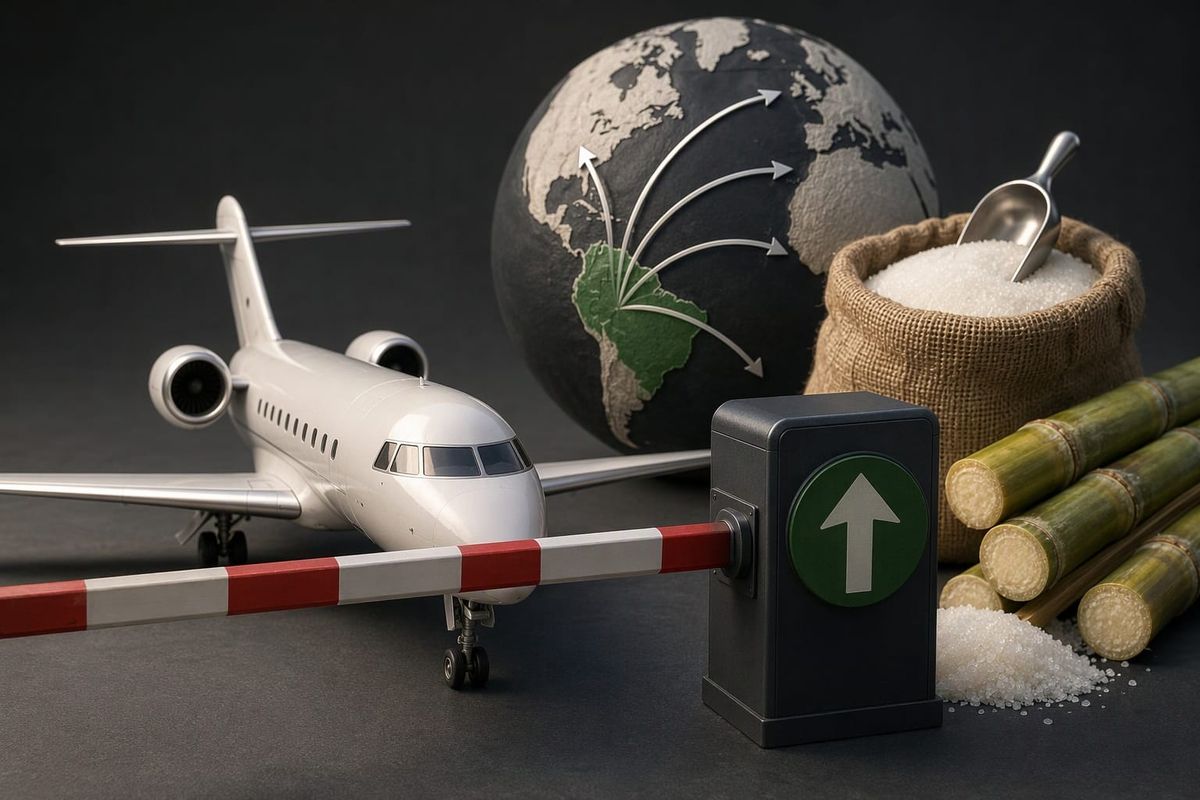
Brazilian finished aircraft would lose their tariff exemption and face a 10% import duty under a proposal the Office of the U.S. Trade Representative announced Wednesday. Its accompanying sugar plan would extend additional duties across countries, broadening a trade response aimed at Brazil.
Sugar Duties Reach Beyond Brazil
The sugar proposal would replace the existing 25% tariff on covered Brazilian sugar with additional charges based on weight. Unlike that Brazil-specific tariff, the proposed charges would apply to covered imports across countries.
The agency’s proposed tariff notice sets an additional $0.44 per kilogram for specified out-of-quota raw cane sugar. Raw beet sugar, refined sugar and specified sugar syrups would carry an additional $0.60 per kilogram.
Those charges would apply to the covered sugar entering at the higher general duty rates: $0.3387 per kilogram for raw cane sugar and $0.3574 for raw beet sugar and refined products. The proposal replaces the Brazilian percentage tariff; the new per-kilogram charges are additional to those general duties.
Trade Representative Jamieson Greer argued that targeting Brazil alone would allow its sugar exporters to fill markets other suppliers leave behind. He said applying the sugar duties across countries would help prevent that outcome.
“Today’s proposed modification would provide greater leverage to obtain the elimination of Brazil’s unreasonable acts, policies, and practices,” Greer said in the agency’s announcement of the proposal.
The agency described Brazil as the world’s leading sugar producer and exporter. That position is central to its argument for reaching beyond Brazilian shipments: it says substitution between suppliers could weaken the pressure it wants the tariffs to exert.
Aircraft Lose A Proposed Exemption
The aircraft proposal is narrower geographically. It would end the existing exemption for finished aircraft from Brazil and impose a 10% tariff based on their value.
Covered products include airplanes, helicopters, balloons, dirigibles, gliders and hang gliders. The aircraft categories listed in the proposal currently carry a 0% duty rate.
The trade office said finished aircraft rank as Brazil’s fourth-largest export to the United States. It also described Brazil as the leading supplier of regional aircraft to the U.S. and among the largest commercial-jet manufacturers worldwide.
Both tariff changes remain proposals. The agency is seeking comments on their likely effects, which products should remain covered, whether the rates are appropriate and whether other products should be included.
Its questions extend to supply risks. Commenters are asked to address whether the covered products are necessary raw materials whose domestic supply could become unavailable, and whether additional tariffs could disrupt supplies or the wider economy.
Negotiations Give Way To Disputes
The investigation began on July 15, 2025, at the President’s direction. It examined digital trade, electronic payments, preferential tariffs, anti-corruption enforcement, intellectual property protection, ethanol market access and illegal deforestation.
Consultations took place on April 15 and 16. On June 1, the trade representative determined that certain Brazilian practices burdened or restricted U.S. commerce and warranted action under federal trade law.
The process led to a 25% tariff on Brazilian goods, subject to exemptions, in the July action directed by President Trump. The trade office said negotiations had produced substantive discussions and exchanged proposals before that action, but progress subsequently stalled.
Brazil has pursued countermeasure proceedings under its Economic Reciprocity Law. Its foreign-trade authorities determined that the U.S. tariffs met the conditions for considering countermeasures, and Brazil formed a working group to develop a proposal.
Brazil also sought consultations through the World Trade Organization’s dispute process and subsequently requested a panel to examine its claims against the U.S. action.
The public-comment period opens Friday. Requests to testify, accompanied by testimony summaries, are due December 7 to be assured consideration; written comments are due December 30.
The trade office’s tariff committee will hold a hearing on January 14, 2027, potentially continuing January 15 if needed. Rebuttal comments are due seven calendar days after the hearing’s final day.
Sources
- USTR Invites Public Comment on Proposed Modifications of the Section 301 Action Regarding Brazil’s Unreasonable Acts, Policies, and Practices — Office of the U.S. Trade Representative
- Brazil 301 Modification FRN — Office of the U.S. Trade Representative
- U.S. unveils new Section 301 tariffs targeting China, EU and others — CNBC
- Trump prepares a new round of targeted tariffs — Axios
- US ready to slap tariffs on China, EU and others over subsidized production, AP sources say | The Hill — Associated Press
- Trump to double down on tariffs after midterms defeat | Semafor — Semafor
- Trump administration set to unveil new tariffs after probe on excess factory capacity, sources say — Yahoo Finance